


| Issue |
Int. J. Metrol. Qual. Eng.
Volume 17, 2026
Topical Issue - Measurement and Instrumentation for Coastal and Marine Geology
|
|
|---|---|---|
| Article Number | 17 | |
| Number of page(s) | 25 | |
| DOI | https://doi.org/10.1051/ijmqe/2026008 | |
| Published online | 28 July 2026 | |
Research Article
Research on the inspection technology and application of deep-sea marine cable based on underwater robots
Angjiang Power Supply Bureau of Guangdong Power Grid Corporation, Yangjiang 529500, Guangdong, PR China
* Corresponding author: This email address is being protected from spambots. You need JavaScript enabled to view it.
Received:
21
February
2026
Accepted:
11
May
2026
Abstract
The growing dependence on deep-sea marine cables for telecommunications, power transmission, and scientific research has highlighted the importance of efficient inspection and maintenance strategies. Conventional techniques, including human divers, Remotely Operated Vehicles (ROVs), and Autonomous Underwater Vehicles (AUVs), have been used as main instruments for cable inspection. They are, however, plagued by several challenges, including high cost of operation, depth limitations, interference from the environment, and the danger to human life. This article discusses how underwater robots can transform the inspection and repair of deep-sea cables. In particular, the research focuses on the multiple underwater robotic platforms, i.e., ROVs, AUVs, and hybrid platforms such as Underwater Vehicle-Manipulator Systems (UVMS), with a focus on inspection, navigation, and repair. It explores the integration of advanced inspection technologies, including vision-based systems, sonar-based navigation, acoustic positioning, and multisensory fusion, to enhance navigation accuracy and damage detection in harsh underwater environments. The paper uses a number of case studies proving the effective utilization of robotic platforms in actual cable inspection and maintenance applications, displaying their capacity for damage detection, cable condition monitoring, and even autonomous repair operations.
Key words: Underwater robots / deep-sea cables / inspection technology / autonomous repair / marine infrastructure
© W. Luo, et al., Published by EDP Sciences, 2026
 This is an Open Access article distributed under the terms of the Creative Commons Attribution License (https://creativecommons.org/licenses/by/4.0), which permits unrestricted use, distribution, and reproduction in any medium, provided the original work is properly cited.
1 Introduction
1.1 Background
Deep ocean seafloor cables are a critical part of global infrastructure, supporting telecommunications, data transfer, and long-distance electricity transmission [1]. They are the pillars of communication in the world as they connect continents using undersea fibre-optic networks [2]. They are also useful in transmitting power to offshore wind farms and deep-sea mining projects [3]. As the world data demand is increasing rapidly and cleaner energy systems are being adopted, submarine cables are gaining relevance on a regular basis [4].
Cable installation and maintenance are not easy in the seafloor since it is hostile and complex environment [5]. Seabed cables are generally buried or lying across the seabed [6–8]. With time, they are subjected to various risks including ocean currents, human encroachment, corrosion, and physical damages through fishing and natural calamities [9,10]. Therefore, regular inspection and maintenance are essential to ensure reliability and long service life.
Traditional inspection methods rely on Remotely Operated Vehicles (ROVs) [11], and Autonomous Underwater Vehicles (AUVs) equipped with sensors [12,13]. However, their performance is limited by harsh environmental conditions, operational constraints, and high costs [14,15]. These limitations indicate the need for more efficient, accurate, and cost-effective inspection approaches for deep-sea cable systems. This work aligns with the Special Issue on Measurement and Instrumentation for Coastal and Marine Geology by emphasizing advanced sensing, data acquisition, and monitoring techniques for marine environments. The study highlights the role of precise instrumentation in improving the accuracy and reliability of coastal geological analysis.
1.2 Problem statement
Marine cables extend over thousands of kilometres and are often located at depths exceeding 1,000 meters, making physical access difficult. Extreme conditions such as high pressure, low temperature, and poor visibility further complicate inspection processes [16–18]. Traditional techniques use remotely operated ROVs or autonomous AUVs, but these techniques have a number of restrictions:
Depth and accessibility: Numerous cables lie at depths out of reach of the safe operating range of conventional underwater vehicles, and are hard to monitor.
Environmental interference: powerful currents, low visibility, and unstable water conditions may influence navigation and decrease the accuracy of data, hence incomplete inspections.
Cost and efficiency: Deep-sea inspections are costly and time-consuming and entail the use of skilled personnel and specialized equipment. Costs are also escalated by repair operations.
Real-time data processing: Underwater communication limits the transmission of data in real-time, hindering real-time analysis and decision-making.
Equipment and human risk: Despite the minimization of human risk, failure of equipment and the lack of specialization in performing tasks is still a major problem.
These constraints make the conventional methods of inspection inadequate. It is evident that there is a necessity of new technologies, which can enhance the accuracy of inspections, lower the costs, and work in the severe conditions of underwater working.
A clear research gap exists in the lack of an integrated evaluation framework for comparing inspection technologies across underwater robotic platforms. The study provides a focused comparative analysis of inspection technologies implemented in ROVs, AUVs, and UVMS, highlighting their distinct operational roles in deep-sea cable inspection. It systematically identifies the limitations, performance capabilities, and environment-specific suitability of each platform. This contribution improves clarity by linking inspection technologies with appropriate robotic systems for efficient and reliable marine cable maintenance.
1.3 Research aim
The focus of this research is to explore and analyze the use of underwater robots for inspecting and maintaining deep-sea marine cables. The research hopes to determine how these robots with embedded advanced technologies like artificial intelligence (AI), autonomous navigation, and enhanced sensor systems can provide effective, accurate, and cost-saving options for subsea infrastructure inspection and maintenance. The ultimate goal is to improve operating performance, reduce the risk to human operators, and enhance decision-making for cable maintenance and repair.
1.4 Research objectives
To evaluate the capabilities of different classes of underwater robots (ROVs, AUVs, UVMS) for deep-sea marine cable inspection and maintenance.
To examine the role of cutting-edge inspection technologies, such as high-definition cameras, sonar technology, and multisensory fusion, in increasing the precision and effectiveness of underwater robots.
To examine the application of AI and machine learning for autonomous navigation, data analysis, and decision-making during deep-sea cable inspections.
To determine the difficulties involved in underwater cable inspections such as positioning precision, environmental noise, and communication limitations.
To scrutinize real-case studies and determine the efficacy of underwater robots for cable inspection, repair, and maintenance in varying oceanic environments.
1.5 Research questions
What are the main benefits of employing underwater robots compared to conventional approaches in investigating deep-sea marine cables?
How do modern inspection technologies, including vision-based and sonar systems, enhance the efficiency and reliability of underwater robots in cable inspection?
How can AI and autonomous navigation systems increase the efficiency and safety of underwater robots in cable inspection?
What are the most significant challenges encountered by underwater robots during deep-sea cable inspection, and how can such challenges be addressed?
How efficient are underwater robots in conducting real-time damage detection, maintenance, and repair as opposed to human-initiated processes?
1.6 Research organization
The research paper is structured under different main sections. Section 1: Introduction introduces the background as to why deep-sea marine cables are relevant and outlines the research problem, summarizing the purposes of the study. Section 2: Challenges in Deep-Sea Marine Cable Inspection describes the primary challenges, including environmental conditions, accessibility limitation, and operational challenges. Section 3: Advanced-Sea Marine Cable Inspection Technology reviews various inspection technologies used to inspect cables such as vision-based systems, sonar, and multisensory fusion. Section 4: Underwater Robots for Marine Cable Inspection discusses the various types of underwater robots—ROVs, AUVs, and UVMS—and their potential in inspecting and maintaining subsea cables. Section 5: Practical Applications of Underwater Marine Cable Inspection using Underwater Robots emphasizes practical applications of such robots in areas such as telecommunication, electricity transmission, and the oil and gas industry. Section 6: Real-World Implementations and Case Studies depicts real-world applications in the form of case studies to demonstrate underwater robot effectiveness for cable inspection, repair, and maintenance. Section 7: Future Development Trends and Areas of Research lays out prospects of future research in underwater robots and inspection devices. Lastly, Section 8: Conclusion concludes the findings and offers suggestions for enhancing deep-sea cable inspections via underwater robots.
2 Literature review
2.1 Navigation technologies
Christensen et al. [19] explored AI-developments in underwater robots, citing advancements in learning, control, perception, navigation, and integrated autonomous functions. Hu et al. [20] suggested a semantic segmentation-based underwater distance measurement system that utilizes binocular vision and enhances speed without sacrificing the precision and even low error rates. Jakkala et al. [21] created a simplistic-sensing method of autonomous in-pipe underwater navigation with sonar localization and adaptive control to maintain stable traversal.
2.2 Sensing systems
Cong et al. [22] described the progress and issues in underwater sensing technologies, multisource fusion and bionic sensing technologies were discussed to enhance robotic autonomy. Aubard et al. [23] reviewed sonar-based deep learning to underwater perception, where issues of robustness are noted, and better datasets and simulation-reality transfer are required. Wang et al. [24] proposed a paired-sample-free RGB-FLS joint training method, which improved the robustness of underwater object detection without the need to add complexity to models. Ge et al. [25] created an optimized YOLOv7-based system that could be used to detect underwater objects by using sonar, enhancing the ability to detect objects in low-visibility settings and classify them more effectively.
2.3 Intervention mechanisms
Yang et al. [26] suggested a GAN-enhanced, lightweight M-YOLOv4 model, which was better at underwater target detection and real-time on embedded systems. Zhang et al. [27] created a stabilized underwater robot that was equipped with an optimized MobileNet-based detection model that improved the accuracy of defect detection and reliability of operations. Sameh et al. [28] designed a whale-like underwater robot that uses bio-inspiration and AI-based detection model that has high detection accuracy and better hydrodynamic efficiency. Existing studies in coastal and marine geology demonstrate the growing importance of modern measurement systems and sensor-based instrumentation for accurate environmental assessment. Recent advancements focus on integrating real-time data acquisition tools and intelligent monitoring frameworks to enhance geological interpretation.
3 Challenges in deep-sea marine cable inspection
3.1 Technological improvements in underwater robotics
Technological innovation in underwater robotics has made vast progress in recent decades because of the increased need for exploration of the deep sea, resource extraction, environmental monitoring, and inspection of infrastructure. Submarines underwater, e.g., ROVs and AUVs, in particular, have emerged as prime tools for inspection of maritime structures, i.e., deep-sea cables.
3.1.1 ROVs
ROVs are a part of underwater inspection systems. Robots such as these are typically attached to a surface vessel, which provides power and communication for operation [29]. ROVs can operate at various depths, so they are applicable for inspecting subsea cables, pipelines, and other offshore equipment [30–32]. They may be equipped with a range of tools, including high-definition cameras, sonar sensors, and manipulators to physically touch cables, i.e., cut, fix, or retrieve faulty sections. The drive systems of ROVs, autonomy, and number of sensors onboard have significantly increased over the years. Contemporary ROVs are also intended for both real-time human operation and semi-autonomous missions, so they can function in extreme conditions, like deep-sea trenches or close to active underwater volcanoes.
3.1.2 AUVs
AUVs differ from ROVs because they do not have a connection to the surface ship, so they can survey a greater area and operate independently for longer durations. AUVs have increased importance for subsea infrastructure inspection because they are cheaper and capable of conducting longer-duration missions in the absence of human presence [33]. They are used most often to perform tasks such as high-resolution mapping of subsea cables, detection of potential threats, and data collection over long distances. They are typically equipped with a combination of sonar sensors, cameras, and other environmental sensors that enable them to traverse the challenging underwater environment. Advanced AUVs today incorporate machine learning and AI algorithms that enable them to optimize their paths and adapt their behavior based on varying ocean conditions, thus making the inspections more efficient.
3.1.3 UVMS
UVMS combine the functionality of autonomous vehicles and manipulators. The hybrid system is specially designed for such sensitive and fragile work as the maintenance, installation, and direct handling of underwater infrastructure [34]. UVMS integrate the application of manipulators or robot arms with AUVs in a way to enable the system to survey as well as handle and service underwater cables and equipment [35]. New technologies of UVMS seek to enhance the dexterity of the vehicle, such as utilizing several manipulators or soft robots to allow flexibility in using very narrow areas. Precise work in deep-sea regions where no human contact can be done is a desirable advantage of UVMS for cable inspection in marine areas.
3.2 Inspection technologies
The success of underwater robots in cable inspection is largely dependent on the integration of advanced inspection technologies that allow them to operate in the extreme underwater environment. These technologies enhance the ability of the robots to collect accurate data and provide valuable information regarding the condition of the cables.
3.2.1 Vision-based systems
Vision-based systems are the most commonly used inspection technology for underwater vehicles. High-definition cameras, both standard and 3D, are mounted on ROVs and AUVs to capture high-resolution pictures and videos of the underwater landscape and the subsea cables [36]. The vision systems play a significant role in identifying surface damage as abrasions, cuts, or corrosion. In recent years, the inclusion of advanced image processing algorithms enabled damage to be automatically detected without involving much human interpretation. Currently, these systems utilize machine learning algorithms to find out cable condition, detect abnormalities, and even predict future breakdowns. While efficient, vision-based systems can be limited when visibility is low, e.g., when water turbidity or illumination levels are too low for the capture of clear images. Figure 1 shows image processing workflow.
Underwater vision-based inspection involves a structured image processing pipeline where raw underwater images captured by high-definition cameras are first enhanced using preprocessing techniques such as de-noising, contrast adjustment, and dehazing to compensate for low visibility conditions. To detect the anomalies, including cable cracks, corrosion, abrasions and deformation, the improved images are sent through feature extraction techniques or deep learning-based models. In real-world inspection processes, the resulting processed outputs are combined with the navigation data to pinpoint areas of defect along the cable path, which can be used to determine the real-time conditions and make decisions regarding maintaining or repairing the problem.
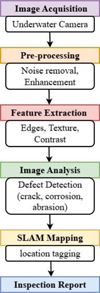 |
Fig. 1 Underwater vision-based cable inspection and image processing workflow. |
3.2.2 Acoustic-based systems
Acoustic inspection tools such as sonar and ultrasound play a vital role in marine cable inspection because they function well when visibility is poor. These systems emit sound waves that bounce off the cable and surrounding seafloor, providing valuable information about the cable's shape, location, and health [37]. Multi-beam sonar, for instance, can produce high-resolution 3D maps of the route of a cable, allowing robots to travel and find damage or potential obstructions along the route [38]. Acoustic sensors can also be used to identify internal cable faults, including corrosion or stress-induced degradations, that may not be visible using conventional imaging methods. Acoustic units are an important application in seabed cable location, particularly where cables are buried or covered with sediment.
3.2.3 Simultaneous localization and mapping (SLAM)
SLAM is an important technology for underwater robots, especially for those that conduct autonomous navigation and mapping. SLAM algorithms allow underwater robots to localize themselves in the environment and at the same time construct a map of the environment. It is useful in inspecting cables buried deep under the ocean surface, as precise navigation is required in order to trace the path of the cable and locate damage. SLAM uses a range of sensors, such as sonar, cameras, and inertial measurement units (IMUs), to create an accurate map of the surroundings [39]. By combining SLAM with sophisticated path-planning methods, underwater robots are able to move through complex underwater spaces while avoiding obstacles and improving their efficiency in inspections. SLAM has become a significant component of mapping large areas and maintaining robots autonomous without direct human intervention.
The system utilizes Graph-SLAM as the primary framework for subsea cable trajectory reconstruction, where loop closure and global optimization are performed using sonar-based feature alignment. EKF-SLAM is integrated at the local level for online pose refinement during navigation, ensuring stable tracking under dynamic underwater disturbances. Visual SLAM using features is selectively used in situations where optical visibility levels are adequate to increase fine grained cable boundary reconstruction. This hierarchical integration can result in strong localization in diverse turbidity and acoustic noise levels in the deep-sea environment.
3.2.4 Multisensory fusion
Multisensory fusion, or the combination of information from more than one sensor, is being used more and more to augment the inspection mission of underwater robots. By combining inputs from vision-based systems, sonar, temperature, pressure sensors, and other environmental monitoring instruments, robots have a better understanding of the underwater world [40]. Multisensory fusion enables detection of cable damages, environmental risks, and other infrastructure anomalies with greater precision. For example, data fusion of acoustics and vision enables verification of results and thus enhances damage detection precision [41]. Moreover, multisensory integration ensures better robot positioning and navigation, thus improving the autonomy and effectiveness of the vehicle in deep-sea environments.
Acoustic sensing using sonar emits sound pulses that propagate through water and return as echoes to estimate the distance, geometry, and position of subsea cables, making it highly effective in turbid, low-light, and visually degraded environments. When fused with optical sensors, sonar provides continuous spatial and obstacle information for navigation robustness, while cameras deliver high-resolution visual details when visibility permits; this complementary sensor fusion ensures reliable perception, improved localization accuracy, and stable inspection performance under dynamic subsea conditions such as currents, turbidity variations, and signal interference.
A Bayesian probabilistic sensor fusion framework is employed to integrate sonar, IMU, and optical sensing data for underwater cable inspection. A Particle Filtering-based estimator is used, where IMU data provides motion prediction, sonar measurements update range-based likelihoods, and optical inputs refine visual evidence of cable conditions. The Particle Filter enables nonlinear and non-Gaussian state estimation, while Bayesian inference updates posterior probabilities based on multi-sensor likelihood fusion. This integrated approach enhances robustness in uncertain underwater environments and significantly improves the accuracy of cable defect detection and localization.
3.3 Current challenges
Even with improvements in underwater robots and inspection tools, there are still some challenges for deep-sea marine cable inspection. These are because of the harsh environment of the underwater world, the complexity of the cable inspection tasks, and the limitations of the existing robotic systems.
3.3.1 Positioning accuracy
Accurate positioning and navigation are one of the greatest challenges of inspecting deep-sea cables. In contrast to GPS, which is widely used for surface navigation, underwater robots make use of acoustic positioning systems like Ultra-Short Base Line (USBL) or Long Base Line (LBL) systems. These tend to be prone to compromised accuracy at deeper depths or in complicated topographic regions. Without positioning, it is difficult for robots to monitor the cable path and accurately identify possible damages. Secondly, signal loss because of water conductivity and salinity can also influence the functionality of such systems.
3.3.2 Environmental factors
The underwater environment is characterized by various challenges such as high pressure, low temperature, high currents, and limited visibility. Such forces can influence the sensors of the robots, decrease their working efficiency, and even destroy the robotic systems. For instance, powerful underwater currents can destabilize robot navigation to an extent that it cannot maintain stable position or track the cable path properly. Low light levels and high turbidity also impair the performance of vision-based inspection systems, and therefore they must be reliant on other technologies such as sonar.
3.3.3 Communication constraints
Subsea communication is also a critical issue. Tethered communication used in ROVs restricts their mobility, and AUVs have to use acoustic signals for data communication. Acoustic communication is of low bandwidth, which leads to delays in data transfer and can affect real-time decision-making. Additionally, high communication latencies can discourage instant action against possible issues during inspection.
Environmental constraints in underwater environments directly determine robotic design requirements. High hydrostatic pressure at deep-sea levels necessitates robust, pressure-resistant housings and sealed electronic compartments to ensure structural integrity and operational reliability. Water turbidity causes a decrease in optical visibility, necessitating the incorporation of non-visual sensing modalities like sonar, acoustic imaging, and multisensor fusion to ensure that the accuracy of inspection. The limitations in communication, especially low-bandwidth and big-latency acoustic communications, necessitate onboard autonomous processing and real-time decision-making potentials in an effort to decrease reliance on surface control. All these limitations demand underwater robots to be reinforced mechanically, sensor-diverse, and autonomy-driven to achieve stable navigation and consistent and proper inspection operations in complex marine settings.
3.3.4 Maintenance and repair
Though inspection robots are suited for anomaly or damage detection on deep-sea cables, repair continues to be difficult. Repair of underwater cables demands dexterity and delicacy more than most robotic systems can provide today. Though UVMS systems integrate the inspection and manipulation capabilities, cable repair at great depths continues to be problematic due to the shortcomings of underwater manipulators.
4 Inspection technologies for deep-sea marine cables
Inspection of deep-sea marine cables is an arduous but required task. Underwater robots, such as (ROVs), (AUVs, and (UVMS) have transformed the job of inspecting, repairing, and maintaining subsea cables. Underwater robots are equipped with advanced technologies that enable their ability to operate autonomously in the dangerous environment underwater. Here, we will discuss the different underwater robots used in marine cable inspection and present the primary technologies that drive their operation, namely vision-based navigation, acoustic-based navigation, and motion control and coordination, as shown in Table 1.
This compares the capabilities of ROVs, AUVs, and UVMS in terms of control mode, depth range, inspection, and repair capabilities. It highlights the strengths and limitations of each robot type for deep-sea cable inspection and maintenance
Comparison of different underwater robots in terms of capabilities.
4.1 Types of robots used for marine cable inspection
4.1.1 ROVs
ROVs are surface-operated robots linked to the operators via a cable that provides power as well as communication. ROVs are primarily used in real-time control and intervention inspections. ROVs are fitted with tools such as cameras, sonar equipment, and robotic arms for the manipulation of subsea cables. Due to their tethered nature, ROVs are likely used in fairly shallow water depths where the range of the vehicle is sufficient enough to perform inspection work. They are particularly designed for areas where human intervention is not possible due to depth or security concerns, e.g., in extremely deep-sea operations or in high-pressure areas.
ROV configuration: ROVs are also equipped with high-definition cameras and, sometimes, stereo vision systems for obtaining clear photographs of subsea cables and detecting potential damage. ROVs can be equipped with multi-beam sonar, manipulator arms, and tool interfaces to facilitate hands-on repair and maintenance activities. Some ROVs are designed for both inspection and light repair tasks, thereby being appropriate for places where autonomous solutions are not yet sufficient for full intervention.
4.1.2 AUVs
AUVs are untethered robots that do not require a connection in order to operate. Powered by onboard batteries, AUVs are able to conduct inspections over hours and survey large parts of the seafloor. They are highly appropriate for surveying routes of subsea cables and monitoring the general integrity of cables over time. Unlike ROVs, AUVs are designed to be autonomous, following pre-planned routes or using onboard decision-making capabilities to react to varying conditions. AUVs are used primarily in large-scale inspection missions where autonomy and endurance are paramount.
AUV configuration: AUVs are supplemented with high-resolution sonar systems, cameras, and sometimes LIDAR to collect high-resolution mapping of the surroundings. AUVs are used primarily for initial surveys and general-area surveillance of deep-sea cables. AUVs are useful where rapid deployment is required and urgent human intervention in the inspection process is not necessary. Their most significant drawback is range since they typically operate within a radius determined by battery life and need to be periodically recharged.
4.1.3 UVMS
UVMS incorporate the attributes of ROVs and AUVs with onboard manipulator robots. They are suited to perform more advanced tasks, including manipulation of subsea hardware, e.g., cables. UVMS allow for autonomy, as well as the provision of human intervention as required. UVMS are employed for delicate tasks involving manipulation or physical contact with the seabed, such as cable repairs, repositioning, or the manipulation of sensitive tools.
Configuration of UVMS: UVMS are typically equipped with a set of tools including manipulators or robot arms, cameras, sonar, and other specialized equipment. The robots can perform high-precision tasks in environments that are too dangerous or inaccessible for manned operation. The integration of manipulators with autonomous navigation systems places UVMS ideally suited for cable maintenance, where autonomous inspection is integrated with repair tasks like cable burial or fault isolation.
4.2 Underwater robots for marine cable inspection
There are several technologies that work together to enable underwater robots to perform marine cable inspections effectively. They are vision-based navigation, acoustic-based navigation, and motion control systems, all of which are important in ensuring accurate, safe, and effective inspections, as shown in Figure 2. Provides an overview of the navigation process where onboard sensors (camera and sonar) collect environmental data, SLAM algorithms construct a map of the surroundings, and the robot localizes itself while tracking the cable path for anomaly detection.
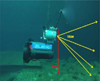 |
Fig. 2 Vision-based navigation in underwater robotics. https://www.semanticscholar.org/paper/SVIn2%3A-An-Underwater-SLAM-System-using-Sonar%2C-and-Rahman-Li/2c383c38aff004174e273d0324533ef1c394c44a. |
4.2.1 Vision-based navigation and positioning
Vision-based navigation employs cameras and computer vision technology to guide robots through the underwater environment and inspect cables. Vision-based navigation relies on numerous forms of cameras and advanced algorithms to build visual maps of the environment, detect anomalies, and guide robots to locations. Vision-based navigation is at the core of high-resolution inspection and manipulation applications.
4.2.2 Monocular SLAM
Monocular SLAM uses one camera to construct a map of the environment around the robot and monitor its position in the environment. Monocular SLAM helps underwater robots maintain their position as they map the cables and the environment. While monocular SLAM is lighter and less expensive, it has low depth estimation accuracy and depends on sufficient light for optimal performance as shown in Figure 3.
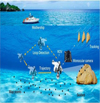 |
Fig. 3 Path-tracking and localization of an underwater robot. https://www.mdpi.com/1424-8220/22/13/4657. |
4.2.3 Stereo SLAM
Stereo SLAM employs two cameras to enable depth perception, enabling the robot to accurately measure distance and map the environment in three dimensions. Stereo SLAM is particularly useful in underwater conditions with high topography, where there is a need to have accurate spatial awareness. It provides improved navigation and anomaly detection along the cable route using depth information from both the cameras.
4.2.4 Structure from motion (SfM)
Structure from Motion is a vision-based technique that constructs a 3D map by analysing a series of 2D images acquired during robot translation. It is usually integrated with SLAM for enhanced mapping quality and is effective in identifying minor features of subsea cables, including cracks and deformations, as shown in Figure 4.
This compares various vision-based technologies like Monocular SLAM, Stereo SLAM, Structure from Motion (SfM), and Deep Learning-Based Vision, focusing on their advantages for underwater navigation and the limitations related to accuracy, depth estimation, and computational requirements in Table 2.
The deep learning-based visual inspection pipeline for subsea cable monitoring typically begins with data acquisition from ROV/AUV-mounted cameras is followed by preprocessing steps including noise reduction, contrast enhancement, normalization, and data augmentation to improve image quality and robustness. This processed data is then trained on state-of-the-art deep learning models in which YOLO is used to detect objects in real-time to identify defects in cables like cuts, abrasions and external attachments, Faster R-CNN is used in high-accuracy region-based defect localization and semantic segmentation networks like U-Net or DeepLabV3+ are used to classify damaged and non-damaged cable, as shown in Figure 5.
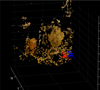 |
Fig. 4 3D mapping of subsea environment. https://www.mathworks.com/help/vision/ug/structure-from-motion-from-two-views.html. |
Vision-based navigation and positioning.
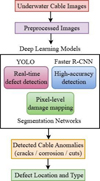 |
Fig. 5 Deep learning-based visual inspection pipeline. |
4.2.5 Acoustic-based navigation
Acoustic-based navigation is a must-have for underwater robots, especially when operating in deep-sea conditions with limited or no visibility. Acoustic positioning in USBL and LBL systems is computed through a multi-stage process involving time-of-flight estimation, geometric localization, and optimization. Time-of-flight (ToF) is first determined by measuring the travel time of acoustic signals between the receiver and transmitter, and then transforming the distance by the speed of sound in water (which is known). The range and bearing of a target in a USBL system are calculated by the phase difference between array elements, whereas the distances in a LBL system are calculated as a result of multiple fixed seabed transponders. Trilateration uses these distance measurements to approximate the spatial position of the robot with respect to known reference points. Least-squares optimization is used to reduce the residual error between the measured and estimated distances to achieve accuracy with noise, multipath effects, and environmental disturbances, thus optimizing the final position estimate.
4.2.5.1 USBL (Ultra-Short Base Line)
USBL systems provide real-time underwater robot positioning using the emission of sound waves and the measurement of the time taken by the waves to reach a receiver onboard a robot or surface ship. USBL systems are normally utilized in shallow to mid-depth applications where accurate positioning is required as shown in Figure 6.
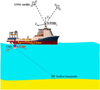 |
Fig. 6 USBL-based navigation system. https://www.mdpi.com/2072-4292/16/14/2584. |
4.2.5.2 LBL (Long Base Line)
LBL systems employ a network of seafloor-mounted fixed acoustic transducers. They are highly accurate and can be employed for deep-sea missions. They provide real-time underwater robot location, which is ideal for precise cable inspection when the environment lacks any visual landmarks, as shown in Figure 7.
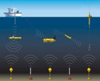 |
Fig. 7 AUVs with acoustic signal detection. https://www.teledynemarine.com/en-us/products/Pages/lbl-products.aspx. |
4.2.5.3 Side-Scan Sonar
Side-scan sonar equipment utilizes sound waves to generate images of high definition of the ocean floor. It is ideally utilized in the surveying of expansive areas, in detecting obstructions, and the location of subsea cables. Side-scan sonar can typically be complemented with technologies like multi-beam sonar for intensive examinations as shown in Figure 8. Provides an overview of the inspection process where acoustic signals are emitted from the sonar system, reflected from the seabed and cable surface, and processed to generate detailed seabed images for identifying cable alignment, burial depth, and possible damage locations. Such systems utilize sound waves to detect objects, survey the seafloor, and locate the position of the robot as shown in Table 3.
This explores different acoustic-based technologies, such as USBL, LBL, and various sonar systems, highlighting their effectiveness in positioning and mapping underwater environments, along with limitations such as depth range, computational demands, and mobility.
Acoustic-based navigation.
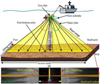 |
Fig. 8 Side-scan sonar mapping for subsea inspections. https://www.mdpi.com/2072-4292/13/10/1945. |
4.2.6 Motion control and coordination
Motion control and coordination systems are necessary to enable underwater robots to navigate in complicated environments and perform delicate operations with high accuracy. Such systems involve intricate algorithms and sensor fusion to ensure accurate movements, particularly when dealing with subsea cables, as shown in Table 4.
Motion control and coordination.
4.2.7 Autonomous control systems
Autonomous control systems enable underwater robots to perform tasks with minimal human interference. The systems employ a sequence of sensors, including accelerometers, gyroscopes, and IMUs (Inertial Measurement Units), to provide real-time feedback on the movement of the robot. Sensor feedback enables the robot to alter its path, velocity, and depth, guaranteeing stability and precision while performing inspections, as shown in Figure 9.
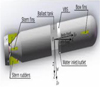 |
Fig. 9 Towfish-based sonar system. https://www.mdpi.com/2077-1312/8/3/181. |
4.2.8 Vehicle-manipulator coordination
Underwater robots that are equipped with manipulator or robot arms require movement coordination with the vehicle's navigation and propulsion system. Coordination of task-specific movement enables the robot to touch the subsea cables efficiently and with accuracy. The process involves movement coordination to avoid collision and perform dexterous movements such as repositioning or stabilizing the cables as shown in Figure 11.
Vehicle–manipulator coordination is achieved through inverse kinematic resolution to ensure precise end-effector positioning during cable inspection tasks. Online control uses Jacobian transpose because it is computationally simple and converges to the correct solution. Minimum-norm joint solutions based on the pseudo-inverse Jacobian method are obtained, and can be applied to the reduction of redundant configurations to provide precise tracking of the end-effector. Also, optimization-based redundancy resolution is utilized to add additional goals like joint limit avoidance, obstacle clearance as well as energy minimization to enable the system operate the manipulators with high precision and safety in complex underwater conditions.
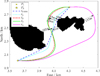 |
Fig. 10 Path planning and trajectory visualization of underwater robot. https://peerj.com/articles/cs-612/. |
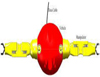 |
Fig. 11 Underwater robot with manipulator for cable inspection. https://www.mdpi.com/2077-1312/11/3/548. |
4.2.9 Path-planning algorithms
Path-planning algorithms determine the optimal path the robot should follow during inspections. Path-planning algorithms factor in obstacles, terrain, and weather conditions to enable the robot to travel safely and efficiently along the cable route, as shows in Figure 10. A hybrid computational strategy incorporating Rapidly-Exploring Random Tree (RRT), Artificial Potential Field (APF), and A* optimization is considered. RRT is employed for global exploration of high-dimensional underwater environments by constructing a probabilistic tree that rapidly converges toward feasible cable-following trajectories. A* optimization is used at the global planning stage to determine an energy-efficient and shortest collision-free path based on cost functions incorporating distance, terrain variation, and operational constraints. To achieve local path refinement and on-the-fly obstacle avoidance, APF induces attractive forces along the cable path and repulsive forces on seabed obstacles, sediment changes, and marine debris. A combination of these techniques provides a hierarchical navigation structure, the absence of collisions, tracking cables continuously, and the ability to change the route based on the environment conditions in a highly complicated and uncertain underwater setting.
This table discusses various motion control technologies, including Autonomous Control Systems, Vehicle-Manipulator Coordination, Path-Planning Algorithms, and control systems like PID and MPC, focusing on their advantages in stability, task execution, and movement optimization, as well as the associated computational costs and complexities.
The proposed MPC architecture is formulated to ensure stable trajectory tracking of underwater robots operating under nonlinear hydrodynamic disturbances such as ocean currents, drag forces, and unmodeled environmental variations. The system dynamics are represented using a discrete-time nonlinear state-space model, this is represented in equation (1):
 (1)
(1)
Where xk denotes the system state vector including position, velocity, and orientation, uk represents control inputs such as thrust, heading, and depth regulation, and dk represents external hydrodynamic disturbances. Bd is the disturbance distribution matrix capturing environmental interaction effects. The function f(⋅) defines the system state transition model, representing the nonlinear evolution of the underwater robot dynamics from time step k to k+1, incorporating hydrodynamic effects such as drag, buoyancy variation, and inertia coupling. To ensure predictive stability, the system is evaluated over a finite prediction horizon. The prediction horizon is represented in equation (2):
 (2)
(2)
Where Hp is selected based on hydrodynamic variability and robot response time. A shorter control Nc is represented in equation (3):
 (3)
(3)
Where control inputs are optimized only over Nc. The MPC optimization problem is represented in equation (4):
 (4)
(4)
Where where Q and R are weighting matrices for state tracking and control effort minimization, respectively. ϵ represents slack variables introduced for soft constraint handling to ensure feasibility under extreme hydrodynamic disturbances, while ρ penalizes constraint violation.
Constraint handling is implemented using a hybrid hard–soft constraint framework:
Hard constraints enforce actuator saturation limits (thrusters, heading, depth control)
Soft constraints with penalty terms ensure bounded relaxation of state constraints under strong disturbances, improving robustness in dynamic underwater environments.
To enhance trajectory stability, the MPC incorporates a terminal cost function and implicit stability condition, ensuring bounded error convergence under recursive optimization. The stability is maintained through repeated receding horizon implementation, where only the first optimal control input is applied at each time step, and the optimization is re-solved using updated state feedback.
The development of underwater robots has greatly enhanced the ability to inspect and maintain deep-sea marine cables. With the integration of cutting-edge technologies such as vision-based navigation, acoustic-based systems, and sophisticated motion control, these robots are increasingly able to carry out effective and efficient inspections in severe underwater environments. While current technologies provide a great deal of advantage, additional developments in communications, control systems, and integration of sensors are required to increase performance and reduce operational limitations.
4.3 Dynamic modeling
Dynamic modeling is a critical aspect of underwater robot control systems, particularly in operations like the inspection of cables in the marine environment. Dynamic modeling refers to the activity of formulating mathematical models to simulate the physical interaction between the underwater robot and the world around it. The models are required to forecast how the robot will act and ensure that the system responds as expected under different operation conditions. Following is a discussion of several dynamic modeling methods and how they are applied to deep-sea cable inspection as indicated in Table 5.
This table presents various dynamic modeling methods used in underwater robotics, highlighting their advantages in terms of computational efficiency, adaptability, and limitations such as difficulty in handling complex constraints or external forces:
NE (Newton-Euler): It is a much-recommended approach for its computational effectiveness, particularly when real-time force and torque information is crucial to the operation of an underwater robot. Yet, it performs poorly when dealing with complicated constraints, which may restrict its capability to describe certain dynamic situations in deep-sea environments.
The NE formulation is applied to model the coupled dynamics of the underwater vehicle–manipulator system by computing motion in a recursive manner from base (vehicle) to end-effector (manipulator). The method consists of forward and backward recursions to determine velocity, acceleration, force, and torque propagation. Forward Recursion is represented in equations (5)–(7):
 (5)
(5)
 (6)
(6)
 (7)
(7)
Where ωi is angular velocity, ω̇i is the angular acceleration, ai is the linear acceleration, and  is the rotation matrix between links. Backward Recursion is represented in equations (8) and (9):
 (8)
(8)
 (9)
(9)
Joint torque is represented in equation (10):
 (10)
(10)
The underwater vehicle dynamics are represented in equation (11):
 (11)
(11)
where hydrodynamic drag Dv, Coriolis term Cv, and gravity/buoyancy Gv are included. Manipulator reaction forces Fman are mapped to vehicle motion through Jacobian transpose JT, enabling coupled force–motion interaction between vehicle and manipulator in underwater environments.
QL (Quasi-Linearization): It is appropriate for applications where new subsystems must be added in a hurry. It also takes care of manipulator feedback efficiently, and so it is suitable for marine cable inspection. But the fact that it does not deal with algebraic and differential equations efficiently may limit its use in some complex operations that underwater robots might face.
Kane's Method: This is defined by being highly efficient in modeling and having fewer differential equations, thus being computationally less intensive. It becomes challenging, however, when the external forces such as cable tension or water currents need to be calculated with accuracy, which is particularly critical in deep-sea cable inspection scenarios.
FEA (Finite Element Analysis): FEA is very flexible in the sense that it is possible to model complicated systems having varied geometries and boundary conditions using it. However, its greatest limitation as far as underwater robotics is concerned is that it gets extremely difficult to prevent discretization errors, which would lead to an erroneous dynamic model.
Data-Driven Models: These are highly versatile models and can exhibit strong resistance to changing environmental conditions. They are best applied in environments such as the deep ocean, where uncertainties such as currents, cable movement, and vehicle kinematics must be accounted for. The only drawback is their reliance on fine data, whose collection sometimes proves difficult, and lower generalization quality among various running conditions. Data-driven modeling methods enhance underwater inspection performance by improving vehicle stability and manipulator effectiveness under uncertain and dynamic marine conditions. These models use sensor-obtained data to adjust to environmental perturbations like ocean currents and cable movements, thus ensuring that ROVs/AUVs remain stable in terms of navigation when inspecting the environment. Also, they enhance the work of manipulators estimating the forces during the interaction of the robotic arm and cables in the sea, which allows them to handle the work accurately during inspection and repair work. This integration enhances the coordination between vehicle and manipulator control and augmented operational reliability in deep-sea conditions.
Hybrid Models: Hybrid methods combine the best features of the theoretical and data-driven approaches, providing strong generalization and interpretability. However, their sensitivity to hybrid rules can result in poor scalability, especially in complex marine cable inspection tasks where environmental conditions can change rapidly.
Dynamic modelling.
4.4 Hydrodynamic modeling
Hydrodynamic modeling is central in capturing the relationship between underwater robots and the underwater environment, including how water currents, buoyancy, and friction impact the robot's motion. This is very relevant in marine cable inspection where robots have to follow cables, evaluate their status, and undertake maintenance activities while countering dynamic underwater forces. Hydrodynamic interaction is modeled using a Navier–Stokes-based Computational Fluid Dynamics (CFD) framework, where the incompressible flow equations are numerically solved under appropriate boundary conditions. A turbulence model (e.g., k–ε) is incorporated to capture flow disturbances, enabling precise estimation of drag, buoyancy, and turbulent forces acting on the underwater robot. These hydrodynamic forces are then incorporated into the dynamic model of the robot to be able to predict the behavior of the motion under different conditions of ocean currents. The following Table 6 illustrates different hydrodynamic modeling techniques and their relevance to underwater robotics.
The table reviews methods of hydrodynamic modeling that simulate the interaction between underwater robots and their environment, with a focus on their applicability to marine cable inspections and the challenges of data interpretation and computational expense.
EF (Eulerian Finite Element): EF modeling is known to be quick and easy, especially where the robot moves over simple geometries, such as straight cables. It is quick enough for real-time computation, but its main drawback is that it cannot give accurate results for more complicated models with highly dynamic environments, such as irregular seabeds or when the cables are subjected to varying levels of tension due to environmental conditions.
RT (Reynolds-Turbulence): This technique yields high-quality information about fluid dynamics, which is critical to simulating the robot's interaction with water accurately. The difficulty of interpreting the data and the high bar for its practical application, though, limit its availability for real-time use. It's commonly applied to detailed studies of fluid-robot interactions but might not be suitable for regular inspections.
NSA (Navier-Stokes Approximation): NSA techniques provide great flexibility, which makes them appropriate for complicated environments where conventional models may not work. They are also economical in cases where precise fluid dynamics simulations are required. The primary disadvantage is the high computational expense and the requirement for sophisticated modeling tools, which can be problematic for on-the-fly applications in marine cable inspections.
MPI (Machine Learning-Based Particle Interactions): This method is robust and can learn from experience, and this can prove useful for adaptive behavior in a dynamic underwater scenario. Yet, it is difficult to gather good data to train such models, and overfitting is possible when the training data does not reflect actual scenarios. In underwater cable inspections, MPI can assist robots in adjusting to changing environmental conditions, but data quality and quantity are essential for making correct predictions.
Hydrodynamic modelling.
4.5 Motion control systems
Motion control systems play a vital role in facilitating underwater robots to travel accurately, inspect, and interface with subsea cables. The control system helps the robot move independently, adapt to dynamic underwater conditions, and remain stable in harsh environments, as shown in Table 7.
This table compares different motion control techniques, including Sliding Mode Control, MPC, and Reinforcement Learning, for underwater robots, examining their strengths in robustness, optimization, and adaptability, along with limitations in computational demands and training times.
SMC (Sliding Mode Control): SMC is robust to environments with uncertainties, such as when operating with dynamic water currents or sudden cable movement. It is easy to implement and does not need to be given accurate models of the environment, making it best suited for real-time marine cable inspection applications. But the system is prone to “chattering,” which causes oscillations in the control signal, and it does not perform well in more dynamic environments like those encountered at greater ocean depths.
MPC: MPC is a sophisticated method utilized to optimize control and minimize energy consumption by predicting future states of the robot. It controls the robot's motion based on a dynamic model of the environment to operate efficiently. MPC is computationally demanding and requires precise models of the underwater environment, so it is challenging to apply to real-time inspection without considerable computing power. It suits better in operations with broader planning horizons and fewer instantaneous operational needs.
RL (Reinforcement Learning): Reinforcement learning enables robots to learn how to adapt to unfamiliar environments by learning from environmental interactions. For marine cable inspection, RL enables robots to make autonomous adjustments for changes in conditions, e.g., currents or obstructions in the cable route. Although RL offers great benefits in terms of flexibility and responsiveness, it has the drawback of needing extensive training times and vast amounts of data for successful learning. Also, RL is computationally intensive, and this can curtail its realistic application in run-of-the-mill inspections except if it is combined with effective data collection mechanisms. The selection of RL is justified by formulating underwater cable inspection as a Markov Decision Process (MDP), where the agent (underwater robot) learns an optimal control policy through continuous interaction with the environment. Proximal Policy Optimization (PPO) is used to optimise the policy, which makes it possible to update the navigation and inspection strategy in the dynamic ocean conditions. Reward shaping is presented to promote cable-following accuracy, energy efficient movement and proper damage detection, where positive reward is used to keep cable close and detect anomalies and negative reward to keep cable off track or to collide with another cable or unnecessary energy use. The environment interaction model includes online sensory input of sonar, vision, and inertial sensors to mimic the natural underwater environment enabling the RL agent to adjust to changing currents, changes in visibility and seabed disturbances, thus supporting adaptive and robust underwater cable inspection tasks.
Motion control systems.
4.6 Vehicle-manipulator coordination
Vehicle-manipulator coordination is essential in underwater robots intended for marine cable inspection and maintenance operations. Coordination guarantees the synchrony of robot movement and manipulator operation to ensure proper handling and manipulation of cables. The following Table 8 describes methods applied for vehicle-manipulator coordination and their strengths and weaknesses:
This table outlines methods for coordinating vehicle and manipulator actions in underwater robots, essential for performing complex tasks like marine cable inspection and maintenance, while also considering their performance in multi-task environments and computational challenges.
Weighted Minimum Norm: This strategy is effective when there is one task to accomplish and the motions of the robot manipulator are simple, such as inspecting or aligning a portion of subsea cable. It is easy to realize and can render high accuracy. The technique lacks effectiveness when two or more tasks must be undertaken at the same time since it cannot cope when performance is expected under the restrictive conditions of motion in joints between tasks.
Gradient Projection: Gradient projection is an optimization method that is efficient in solving task conflicts by balancing the various priorities involved in cable inspection and maintenance. It is adaptable and can be adjusted to suit different task requirements. It is, however, computationally expensive and may face challenges when handling complicated inverse kinematics, such as when accurate positioning of the manipulator is needed in tight or cluttered underwater spaces.
Task Priority: The task priority technique resolves conflicts occurring when more than one task has to be executed concurrently, e.g., steering the robot and handling the cable at the same time. The technique enhances the execution of tasks by giving different actions priorities. Nevertheless, the quality of the effectiveness depends largely on how precisely the tasks are prioritized, and the complexity of the system is greatly enhanced with multiple tasks and changing environments.
Vehicle-manipulator coordination.
5 Applications of underwater robots in marine cable inspection
Underwater robots have transformed inspection and maintenance of deep-sea marine cables, which are crucial for international telecommunications and energy supply. In telecommunication, robots inspect submarine fiber-optic cables to avoid signal loss by detecting and fixing cuts and abrasions. In power transmission, they inspect underwater power cables connecting offshore wind farms with the mainland in order to facilitate timely maintenance and avoid power outages. For the oil and gas sector, robots are used in detecting subsea pipeline leaks and corrosion, reducing the environmental damage of potential spills and lowering maintenance expenditure. In scientific and military uses, underwater robots assist in deep-sea exploration, assisting scientists in gathering information on marine ecosystems and seabed architecture, while assisting in defense by protecting communication lines and detecting underwater dangers. These advanced robots, which are fitted with sophisticated sensors and imaging technologies, play a critical role in traversing complex underwater environments, offering critical information for decision-making and operational effectiveness. With autonomous functions, these robots improve safety, as well as providing cost-efficient, real-time inspections and maintenance of strategic subsea infrastructure, as shown in Figure 12.
Case Studies: Real-life examples and case studies of underwater robots and their applications in marine cable inspection, along with the problems faced and solutions adopted as shown in Table 9.
Operational Tasks: Description of the kind of tasks that these robots are capable of undertaking, including cable mapping, damage identification, maintenance, and environmental monitoring.
Automation and Remote Operation: Integration of semi-autonomous systems for effective inspection with minimal human interaction.
This table presents real-world examples of underwater robotic systems deployed for deep-sea cable inspections. It highlights the inspection methods used in each case, the location, and the key findings, showcasing the effectiveness of robotic technologies in identifying damage and performing repairs.
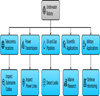 |
Fig. 12 Applications of underwater robots. |
Example case studies comparing robotic inspections with traditional inspections.
6 Case studies and real-world implementations
Underwater robots such as ROVs and AUVs (Autonomous Undersea Vehicles) are now essential tools for inspection, maintenance, and repair of deep-sea subsea communication cables. They are equipped with an array of sensors and technology that can allow them to perform operations required to the continuation of subsea communications and power distribution networks. Here, we will give examples of case studies illustrating the use of underwater robots in real-life marine cable inspection applications, their working activities, and how remote control and automation systems revolutionized the process as shown in Figure 13. Provides an overview of the inspection workflow, illustrating the deployment of underwater robots from a surface vessel, navigation along the cable route, sensor-based data acquisition, and subsequent analysis for evaluating cable condition and identifying potential faults.
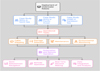 |
Fig. 13 Deployment of underwater robots in marine cable inspection. |
6.1 ROVs for subsea cable inspection and repair (North Sea)
One of the most significant uses of underwater robots in marine cable inspection is the deployment of ROVs for monitoring and repair of subsea cables in the North Sea. An ROV that was fitted with high-definition cameras, sonar, and robotic arms was deployed to monitor and repair cables between offshore wind farms and the onshore power grid. The challenge confronted was the cable's buried-in-the-seabed complexity as well as its possible damages incurred by fishing operation, environmental stressing, or corroding as shown in Figure 14.
To address these challenges, the ROV utilized sonar navigation and vision feedback to locate and inspect the cables. After damaged sections were located, the robotic manipulator arms were used to realign the cable or install protective covers. This is an example of how ROVs can be used to access hard-to-reach areas, perform accurate operations, and provide real-time data on cable condition without the dangers and cost of human divers.
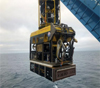 |
Fig. 14 Deployment of ROV for marine cable inspection in north sea. https://www.rovop.com/ocean-bottom-node-deployment-in-central-north-sea/. |
6.2 AUVs for a survey of long-length cables (Pacific Ocean)
Another example from the real world is the application of AUVs for long-distance subsea cable inspection in the Pacific Ocean. The AUV was assigned to inspect more than 500 kilometres of deep-sea cable installed for underwater communication. The problem in this case was the enormous size of the inspection area and the deep ocean environment, where conventional methods such as surface ships and human involvement were not feasible as shown in Figure 15.
Equipped with advanced sonar and imaging instruments, the AUV worked on its own, marking the cable path and detecting any irregularity such as abrasions, cuts, or areas of excessive wear. The ability of the AUV to operate alone for hours meant that it could gather huge volumes of information without the need for human intervention, and the information was transmitted to surface stations where it would be processed. This example depicts the utilization of AUVs for mapping extensive underwater structures with low operating expenses and high effectiveness.
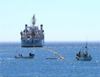 |
Fig. 15 Cable laying ship deploying subsea cable in the pacific ocean. https://newatlas.com/one-big-question-faster-cable/45430/. |
6.3 Hybrid vehicle-manipulator system for cable repair (Caribbean Sea)
In the Caribbean Sea, an unmanned hybrid Vehicle-Manipulator System (UVMS) was employed to repair a faulty subsea cable connecting two islands. The challenge in this case was not only to examine but to repair the cable at depths of over 2,000 meters where human presence is out of the question as shown in Figure 16.
The UVMS, in which independence from an AUV was combined with manipulability by a robot arm, was used to locate and recover the cable. Once damage had been identified, the robot's manipulator arm was used for cable splicing and joining, and then performing a series of electrical tests in an effort to confirm the integrity of the cable. This illustration demonstrates the capability of hybrid systems for autonomous repair and inspection missions, as well as multi-tasking use in underwater environments.
Table 10 presents key quantitative parameters of the selected case studies, including inspection depth, mission duration, and coverage length for different robotic systems. These metrics provide clearer empirical insight into the operational efficiency and performance of underwater robots in real-world cable inspection scenarios.
Case study evaluation is strengthened by incorporating quantitative performance metrics, where ROVs operate at depths of 2000–3000 m with 4K continuous imaging and an inspection coverage distance of 0.5–1.5 km per dive. AUVs achieve operating depths of 4000–6000 m with a mission range of 50–200 km and employ 100–500 kHz sonar systems providing spatial resolution of 0.1–0.3 m. UVMS platforms function at depths of 2000–3000 m, integrating multi-beam sonar and stereo vision systems to achieve positional accuracy within ±5–10 cm and enabling precise manipulation within a 2–5 m repair radius.
The table highlights the time taken, cost, and success rate of human divers, ROVs, and AI-driven AUVs in performing inspections.
Table 11 contrasts the efficiency of human-guided and robot-guided methods of subsea cable inspections. The table offers important metrics like time elapsed, cost, and success rate for three different inspection techniques: human divers, ROVs, and AI-powered AUVs. Human divers are the most time-consuming (3 days) and most expensive ($50,000 per km) with a moderate success rate of 70%. ROVs, being more efficient, take 12 h and charge $20,000 per km, with a success rate of 85%. AI-powered AUVs differ in that the inspection is done in 6 h, at $10,000 per km, with the highest success rate of 95%. The comparison evidently illustrates the advantages of robot-guided inspections in terms of performance, time, and cost.
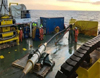 |
Fig. 16 Marine cable maintenance operation on ship in Caribbean Sea. |
Quantitative case study metrics.
Comparison of human-led vs. robot-led cable inspection case studies.
6.4 Operational tasks
Underwater robots may perform a variety of operational activities required in the maintenance and safety of deep-sea cables such as:
6.4.1 Operational procedure
The operational procedure is structured as a sequential workflow comprising (i) cable localization using acoustic/vision-based navigation systems, (ii) inspection execution through ROV/AUV deployment with sonar and camera-based data acquisition, (iii) condition analysis via multisensor fusion and AI-driven defect detection, and (iv) repair actions performed using UVMS manipulators for cable realignment, splicing, and protective reinforcement, thereby representing a complete robotic mission cycle.
6.4.2 Cable mapping
Subsea cable path mapping is one of the primary applications of underwater robots. Using sonar systems such as multi-beam sonar or side-scan sonar, robots can generate high-resolution seabed maps and precisely locate the cables. This is particularly useful for cable position monitoring and cable laying in the correct locations, free from obstructions or high-risk areas such as fishing grounds or seismic activity as shown in Figure 17.
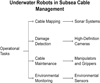 |
Fig. 17 Underwater robots in subsea cable management. |
6.4.3 Damage detection
High-definition cameras, sonar, and sensors on robots are employed to identify probable damage to subsea cables. For example, vision-based technology and sonar may identify cuts, abrasion, or wear on the cable potentially as a result of third-party incidents such as deep-sea currents, oceanic creatures, or offshore construction activities as shown in Figure 18.
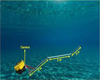 |
Fig. 18 Underwater robot with camera for cable inspection. |
6.4.4 Cable maintenance
Repetitive maintenance tasks like cleaning, repositioning, and installing protective coverings on cables can be performed by underwater robots. The robots are outfitted with manipulators and grippers to reposition the cables, move them, or install protective layers to guard against future damage. Robots also scan for hazards surrounding the cable that can compromise the cable integrity, including displaced sediments or wrecked ships.
6.4.5 Environmental monitoring
Underwater robots also have a significant role to monitor the ambient environmental parameters around subsea cables. With sensors to measure water temperature, pressure, salinity, and current, underwater robots give useful data on the parameters that could impact the future of cables. For instance, robots can identify where corrosive sea life can be eating away at the cable or where there is high current that could lead to further wear. Environmental monitoring is required to guarantee the long-term viability of subsea cables.
6.5 Automation and remote operation
The use of semi-autonomous systems in underwater robots has significantly increased the effectiveness and efficiency of submarine cable inspection with reduced levels of human intervention and reduced man-hour costs. These machines are using semi-autonomous navigation technology fuelled by cutting-edge AI and machine learning programs that allow them to adjust to changing conditions and make split-second decisions regarding their movement, for example, when they encounter obstructions or cable deviations from the intended path. Although the robots are self-navigating, there is still remote control available for difficult terrain or unexpected events, with high-bandwidth acoustic communications providing operators remote control of the robot and the ability to receive real-time information, such as images and sonar maps. The robots are also capable of real-time decision-making, such as automatically tagging damage areas or entering repair modes upon discovering cable damage. In addition, the systems incorporate data analytics software to analyze sensor readings, sonar maps, and visual data through machine learning to identify wear or degradation patterns in the cables to forecast future performance and enable quicker maintenance decisions to ensure safety and reliability of subsea infrastructure.
7 Future trends and research directions
The field of underwater robotics is evolving at a rapid rate, with innovation constantly driving the next generation of technology in underwater cable inspections. The following technological developments are set to revolutionize underwater operations, such that robots will be able to perform tasks with greater precision, efficiency, and autonomy as it was represented in Table 12.
This table is emphasizing important technological developments, their advantages, and future effects for enhancing underwater robot performance during cable inspections.
Technological innovations and future trends in underwater robots for marine cable inspections.
7.1 Bionic propulsion and advanced robotics
The destiny of underwater robots is more and more driven by the innovation of bionic drive systems. Inspired by nature, these drive systems replicate the ways sea animals like fish and jellyfish move so that they will be able to move more effectively and efficiently within intricate underwater circumstances. Bionic propulsion has some key benefits compared to conventional propulsion systems, including less noise, improved maneuverability, and improved energy efficiency, and is particularly well-suited to sensitive tasks like underwater cable inspection. This type of advancement in robot design might also facilitate more flexible operation in confined or crowded underwater environments, allowing robots to move through messy cable bundles, narrow underwater crevices, and adverse environments. Such integration should result in quieter, more efficient subsea robots that will be able to sustain operation at substantial depths, and that will be a key component of the subsea infrastructure maintenance future.
7.2 Integration of AI and deep learning
Artificial Intelligence (AI) and deep learning are being increasingly incorporated into underwater robots to make them more independent in decision-making. With the help of AI algorithms, these robots can process amounts of sensor data, visual data, and sonar scans in real-time to identify patterns and anomalies, like signs of wear, damage, or shifting environmental conditions surrounding the subsea cables. Deep learning models can also be used to constantly enhance the performance of the robot by learning from previous inspections, such that the system can make better predictions on possible cable failure or maintenance requirements. This integration of AI can result in autonomous robots that can make smart decisions during inspection with minimal or no human intervention, thereby resulting in more efficient and timely repairs. In addition, AI-powered robots would help improve routing to deliver efficiency, identify high-priority inspection spots, and compensate for hidden environmental obstacles to further overall marine cable inspection reliability.
Figure 19 represents the percentage of efficiency score, cost-effectiveness, and safety ratings over various inspection approaches: Traditional Divers, ROV-based, AUV-based, and AI-driven. On the Efficiency Score Distribution, AI-driven is on top at 30.6%, then AUV-based at 29%, and ROV-based at 24.2%. The least among these is the traditional divers with 16.1%. For Cost-effectiveness Distribution, AI-driven techniques excel again with 40%, followed by 30% for AUV-based and 20% for ROV-based, and Traditional Divers are least cost-effective at 10%. The Safety Rating Distribution reflects that AI-driven techniques are safest with 38.5%, followed by 30.8% for AUV-based, 23.1% for ROV-based, and Traditional Divers are lowest at 7.7%. These graphs show that AI-based approaches are best in all three aspects—efficiency, cost, and safety—and the conventional diving approaches are worst in all three parameters.
The graphical evaluation results are obtained through a normalized multi-metric performance index to ensure fair comparison across all inspection methods. The measure of efficiency is calculated based on the mission completion time, the rate of area covered, and the success rate of defect detection, all normalized by a min–max scaling methodology. Safety is assessed in terms of human exposure risk, level of operational hazards and probability of failure of the system during deployment which is translated into a standardized risk index. Cost indicators are calculated based on the total operational expenditure per kilometer, equipment utilization, number of people involved, and maintenance costs, and adjusted to a standard scale. These normalized parameters are then combined through an equal-weighted composite scoring system to produce comparative performance metrics of ROV-based, AUV-based, UVMS, and AI-based inspection systems, allowing consistent plots and cross-method comparisons.
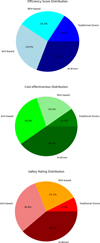 |
Fig. 19 A chart comparing efficiency, cost, and safety across different inspection methods. |
7.3 Navigation and positioning improvements
Reliability and precision in underwater navigation equipment are crucial to ensure successful cable inspection where water conditions reduce visibility and water currents make mobility problematic. Future underwater navigation will most likely include advances in sonar technology, like enhanced multi-beam sonar systems with high-resolution imaging of cable and the seafloor. These will allow robots to possess higher resolution and depth perception, making cable tracking and fault detection more precise. Furthermore, multisensory fusion techniques, in which data from various sensors (e.g., sonar, cameras, and accelerometers) are combined, will play a key role in improving the robot's navigation in hostile underwater environments.
7.4 Discussion
The use of underwater robots to inspect marine cables has been extremely successful, with significant improvements in cost, efficiency, and safety. By removing the necessity for divers and surface ships, the robots reduce operating expenses and enhance safety by performing operations in hostile environments. The robots can operate autonomously, scanning larger areas with more efficiency and accuracy. However, there are challenges that still need to be addressed, such as the need for real-time processing of data, adapting to environmental disturbances like strong currents and murky water, and high-accuracy positioning in deep-sea environments. These are evidence of the need for continuous advancement in sensor technology, data-processing algorithms, and navigation systems to further develop the reliability and performance of underwater robots in marine cable inspections. Objective 1 is addressed through comparative analysis of ROV, AUV, and UVMS platforms in subsea inspection tasks; Objective 2 is supported by SLAM-based navigation, vision and sonar systems, and multisensor fusion techniques; Objective 3 is associated with AI and machine learning-based autonomous navigation and decision-making frameworks; Objective 4 is linked to positioning limitations, environmental disturbances, and communication constraints discussed under navigation and control systems; and Objective 5 is validated through real-world case studies demonstrating robotic deployment in deep-sea inspection, repair, and maintenance operations.
Operational Efficiency Comparison Graph illustrates how various underwater inspection methods, such as ROVs, AUVs, UVMS, AI & Deep Learning, Bionic Propulsion, Sonar Technology, and Multisensory Fusion rank with respect to performance over time, the Y-axis measuring performance or "reward" and the X-axis tracking time or generations. AI & Deep Learning and Bionic Propulsion become more advanced with faster development as they possess independent nature and maneuverability, while ROVs remain less efficient through human dependency. The Cost-Effectiveness Comparison Graph illustrates every method's cost-effectiveness versus time, reflecting that AUVs and AI & Deep Learning are more cost-effective since they are independent, whereas ROVs have greater expenses of operation through humans. Finally, the Safety Comparison Graph also highlights the safety of each technique, with AUVs and AI & Deep Learning safest due to less human involvement, and ROVs and UVMS riskier due to the need for human operators in hostile environments. The graphs collectively advocate autonomous, AI-driven systems in making efficiency enhance, cost reduce, and safety enhance underwater cable inspection as shown in Figures 20 and 21. The findings reinforce the significance of robust measurement and instrumentation systems in capturing dynamic coastal and marine processes with improved precision. The integration of advanced sensing technologies contributes to better data reliability and supports informed geological decision-making.
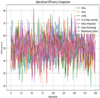 |
Fig. 20 Operational efficiency comparison across different inspection methods. |
 |
Fig. 21 Comparison of cost-effectiveness and safety for different inspection methods. |
8 Conclusion
The research emphasizes the revolutionary contribution of underwater robots in deep-sea marine cable inspection and maintenance. Through the convergence of advanced robotics with innovative technologies such as AI-based navigation, vision systems, and multisensory integration, the robots provide a more efficient, cost-saving, and safer solution compared to conventional practices such as human divers and surface vessels. Subsea robots like ROVs, AUVs, and UVMS can perform highly accurate inspections, detect cable damage, and in certain instances, even carry out repairs, minimizing the risks and operational expenses of human intervention in dangerous deep-sea conditions.
Notwithstanding all the progress, there are still some challenges, such as processing data in real time, enhancing the accuracy of positioning, and compensating for environmental interference like powerful currents and low visibility. Solving these challenges with ongoing technological advancement and research in machine learning, propulsion technology, and hybrid navigation will be vital to further develop the capabilities of underwater robots. The future of deep-sea cable inspection will be fully autonomous, AI-based systems capable of conducting sophisticated inspections and maintenance tasks with minimal human interaction to ensure the long-term sustainability and reliability of important underwater infrastructure. The study underscores the critical role of measurement and instrumentation in advancing coastal and marine geology research. Future developments in sensor technologies and data-driven frameworks will further enhance monitoring accuracy and environmental sustainability.
Funding
This work was supported by the Development of Lightweight Submarine Cable Inspection Equipment (GDKJXM20222438).
Conflicts of interest
The authors declare that they have no conflicts of interest regarding this work.
Data availability statement
All data generated or analyzed during this study are included in the manuscript.
Author contribution statement
Wenbo Luo- Methodology, Project Administration, Manuscript editing; Qingwen Zhang- Software, Validation; Bin Lin- Visualization, Manuscript Review and editing.
References
- J. Wang, X. Li, S. Liu, M. Jia, A new development direction of deep sea exploration vessels, in: ISOPE International Ocean and Polar Engineering Conference, ISOPE, 2021, p. ISOPE-I. Accessed: Mar. 12, 2025. [Online]. Available: https://onepetro.org/ISOPEIOPEC/proceedings-abstract/ISOPE21/All-ISOPE21/464453 [Google Scholar]
- J. Zhang, F. Han, D. Han, J. Yang, W. Zhao, H. Li, Advanced underwater measurement system for ROVs: integrating sonar and stereo vision for enhanced subsea infrastructure maintenance, J. Mar. Sci. Eng. 12, 306 (2024) [Google Scholar]
- J. Zhang, X. Xiang, W. Li, Advances in marine intelligent electromagnetic detection system, technology, and applications: a review, IEEE Sens. J. 23, 4312–4326 (2021) [Google Scholar]
- X. Lin, J. Chen, P. Zhang, Y. Wang, Design and analysis of positioning sensor cable for deep-sea stratum drilling robot, IEEE Sens. J. 24, 2089–2098 (2023) [Google Scholar]
- C. Gotts et al., Development of a prototype autonomous inspection robot for offshore riser cables, Ocean Eng. 257, 111485 (2022) [Google Scholar]
- V. Lorenčič, Seabed surveillance and underwater structures inspection with remotely operated vehicle- power ray, Trans. Marit. Sci. 11, 110–118 (2022) [Google Scholar]
- B.T. Phillips, N. Chaloux, R. Shomberg, A. Muñoz-Soto, J. Owens, The fiber optic reel system: a compact deployment solution for tethered live-telemetry deep-sea robots and sensors, Sensors 21, 2526 (2021) [Google Scholar]
- G. Ioannou et al., Underwater inspection and monitoring: technologies for autonomous operations, IEEE Aerosp. Electron. Syst. Mag. (2024), Accessed: Mar. 12, 2025. [Online]. Available: https://ieeexplore.ieee.org/abstract/document/10437997/ [Google Scholar]
- D. Zhang, Y. Zhang, B. Zhao, Y. Ma, K. Si, Exploring subsea dynamics: a comprehensive review of underwater pipelines and cables, Phys. Fluids, 36, (2024), Accessed: Mar. 12, 2025. [Online]. Available: https://pubs.aip.org/aip/pof/article/36/10/101304/3315650 [Google Scholar]
- C. Hooft Graafland, J. Jovanova, From heights to the deep sea, a review of robots interacting with offshore structures, Robot. Rep. 2, 85–100 (2024) [Google Scholar]
- J.-K. Choi, E. Araki, K. Kawaguchi, Cable laying using an ROV, Mar. Technol. Soc. J. 54, 84–90 (2020) [Google Scholar]
- W. Cui, L. Lian, G. Pan, Frontiers in deep-sea equipment and technology, J. Mar. Sci. Eng. 11, 715 (2023), MDPI. Accessed: Mar. 12, 2025. [Online]. Available: https://www.mdpi.com/2077-1312/11/4/715 [Google Scholar]
- F. Nauert, P. Kampmann, Inspection and maintenance of industrial infrastructure with autonomous underwater robots, Front. Robot. AI, 10, 1240276 (2023) [Google Scholar]
- Y. Wu et al., Intelligent control method of underwater inspection robot in netcage, Aquac. Res. 53, 1928–1938 (2022) [Google Scholar]
- B. Neha, S.A. Krishnan, T.M. Younas, A. Sunil, T.R. Raji, Marine inspection: implementation and advanced applications of a remotely operated underwater robot for exploration in challenging marine environments, in: 2024 Second International Conference on Smart Technologies for Power and Renewable Energy (SPECon), IEEE, 2024, pp. 1–4. Accessed: Mar. 12, 2025. [Online]. Available: https://ieeexplore.ieee.org/abstract/document/10537482/ [Google Scholar]
- A. Mazzeo et al., Marine robotics for deep-sea specimen collection: a systematic review of underwater grippers, Sensors, 22, 648 (2022) [Google Scholar]
- Y. Xiang, J. Sheng, L. Wang, Y. Cai, Y. Meng, W. Cai, Research progresses on equipment technologies used in safety inspection, repair, and reinforcement for deepwater dams, Sci. China Technol. Sci. 65, 1059–1071 (2022) [Google Scholar]
- J. Liang et al., Role of deep-sea equipment in promoting the forefront of studies on life in extreme environments, Iscience, 24, (2021), Accessed: Mar. 12, 2025. [Online]. Available: https://www.cell.com/iscience/fulltext/S2589-0042(21)01268-2 [Google Scholar]
- L. Christensen, J. de Gea Fernández, M. Hildebrandt, C.E.S. Koch, B. Wehbe, Recent Advances in AI for navigation and control of underwater robots, Curr. Robot. Rep. 3, 165–175 (2022) [Google Scholar]
- Q. Hu, K. Wang, F. Ren, Z. Wang, Research on underwater robot ranging technology based on semantic segmentation and binocular vision, Sci. Rep. 14, 12309 (2024) [Google Scholar]
- K. Jakkala, J. O’Kane, Low-cost underwater in-pipe centering and inspection using a minimal-sensing robot, Feb. 05, 2026, arXiv:2602.05265. https://doi.org/10.48550/arXiv.2602.05265 [Google Scholar]
- Y. Cong, C. Gu, T. Zhang, Y. Gao, Underwater robot sensing technology: a survey, Fundam. Res. 1, 337–345 (2021) [Google Scholar]
- M. Aubard, A. Madureira, L. Teixeira, J. Pinto, Sonar-based deep learning in underwater robotics: overview, robustness, and challenges, IEEE J. Ocean. Eng. 50, 1866–1884 (2025) [Google Scholar]
- X. Wang, Z. Wang, D. Bi, Dual-modal vision–sonar object detection for underwater robots based on deep learning, J. Mar. Sci. Eng. 14, 338 (2026) [Google Scholar]
- L. Ge, P. Singh, A. Sadhu, Advanced deep learning framework for underwater object detection with multibeam forward-looking sonar, Struct. Health Monit. 24, 1991–2007 (2025) [Google Scholar]
- Q. Yang, J. Zhou, H. Meng, D. Gao, Real-time marine target recognition method of underwater inspection robot based on computer vision, Int. J. Adv. Robot. Syst. 20, 17298806231199845 (2023) [Google Scholar]
- B. Zhang, J. Jiang, X. Gao, Y. Lin, F. Lin, H. Huang, Detection of defects in underwater concrete structures: integrating compact robotic systems with an edge detection model, Ocean Eng. 321, 120390 (2025) [Google Scholar]
- A. Sameh, A.M. Elhenidy, Bio-inspired underwater robotic vehicle for marine exploration and AI-powered fish detection, Discov. Appl. Sci. 8, 117 (2025) [Google Scholar]
- J.F. Wood, J. Noel, B. Phillips, H. Slagter, R.M. Estévez, S. Licht, Design and testing of a light-weight ROV for deep-sea research and exploration, in: OCEANS 2024 - Halifax, Sep. 2024, pp. 1–7 [Google Scholar]
- X. Hu, J. Chen, H. Zhou, Z. Ren, P. Zhou, Waterproof joint motors and overall structural design for deep-sea electric manipulators, in: ISOPE International Ocean and Polar Engineering Conference, ISOPE, 2022, p. ISOPE-I. Accessed: Mar. 12, 2025. [Online]. Available: https://onepetro.org/ISOPEIOPEC/proceedings-abstract/ISOPE22/All-ISOPE22/493894 [Google Scholar]
- T. Tan, Working process analysis of submarine cable detection robot using machine vision and reinforcement learning, 2025, Accessed: Mar. 12, 2025. [Online]. Available: https://www.cad-journal.net/files/vol_22/CAD_22(S7)_2025_285-298.pdf [Google Scholar]
- Y. Cong, C. Gu, T. Zhang, Y. Gao, Underwater robot sensing technology: a survey, Fundam. Res. 1, 337–345 (2021) [Google Scholar]
- S. Teng et al., Review of intelligent detection and health assessment of underwater structures, Eng. Struct. 308, 117958 (2024) [Google Scholar]
- J. Qu et al., Recent advances on underwater soft robots, Adv. Intell. Syst. 6, 2300299 (2024) [Google Scholar]
- M. Zarebidoki, J.S. Dhupia, M. Liarokapis, W. Xu, A cable-driven underwater robotic system for delicate manipulation of marine biology samples, J. Field Robot. 41, 2615–2629 (2024) [Google Scholar]
- M. Lin, C. Yang, Ocean observation technologies: a review, Chin. J. Mech. Eng. 33, 32 (2020) [Google Scholar]
- H. Zhou, P. Jiao, Y. Lin, Emerging deep-sea smart composites: advent, performance, and future trends, Materials, 15, Art. no. 18 (2022) [Google Scholar]
- A.A.M.R. Behiry, T. Dafar, A.E.M. Hassan, F. Hassan, A. AlGohary, M. Khanafer, Nu—A marine life monitoring and exploration submarine system, Technologies, 13, Art. no. 1 (2025) [Google Scholar]
- J. Aguzzi et al., Exo-ocean exploration with deep-sea sensor and platform technologies, Astrobiology, 20, 897–915 (2020) [Google Scholar]
- Z. Song, A. Marburg, D. Manalang, Resident subsea robotic systems: a review, Mar. Technol. Soc. J. 54, 21–31 (2020) [Google Scholar]
- M. Ho, S. El-Borgi, D. Patil, G. Song, Inspection and monitoring systems subsea pipelines: a review paper, Struct. Health Monit. 19, 606–645 (2020) [Google Scholar]
- P. Chen, Y. Liu, S. Yang, J. Chen, Q. Zhang, Y. Tang, Dynamic characteristics of deep-sea ROV umbilical cables under complex sea conditions, Ocean Eng. 239, 109854 (2021) [Google Scholar]
- W. Cui, L. Lian, G. Pan, Frontiers in deep-sea equipment and technology, J. Mar. Sci. Eng. 11, Art. no. 4 (2023) [Google Scholar]
- L. Sun, Y. Wang, X. Hui, X. Ma, X. Bai, M. Tan, Underwater robots and key technologies for operation control, Cyborg Bionic Syst. 5, 0089 (2024) [Google Scholar]
- M.J. Islam, A.Q. Li, Y.A. Girdhar, I. Rekleitis, Computer vision applications in underwater robotics and oceanography, in: Computer Vision, Chapman and Hall/CRC, 2024 [Google Scholar]
- C. Bräuer-Burchardt et al., Deepwater 3D measurements with a novel sensor system, Appl. Sci. 14, Art. no. 2 (2024) [Google Scholar]
- B. Chemisky, F. Menna, E. Nocerino, P. Drap, Underwater survey for oil and gas industry: a review of close range optical methods, Remote Sens. 13, Art. no. 14 (2021) [Google Scholar]
- H. Feng, Y. Huang, J. Qiao, Z. Wang, F. Hu, J. Yu, Prediction-based submarine cable-tracking strategy for autonomous underwater vehicles with side-scan sonar, J. Mar. Sci. Eng. 12, 1725 (2024) [Google Scholar]
- J. Yan, Z. Yang, H. Guo, X. Ying, H. Hu, Umbilical cable, in: W. Cui, S. Fu, Z. Hu (Eds.), Encyclopedia of Ocean Engineering, Springer Nature, Singapore, 2022, pp. 2035–2042 [Google Scholar]
- J. Xu, X. Irigoien, M.-S. Alouini, State-of-the-art underwater vehicles and technologies enabling smart ocean: survey and classifications, 2024, arXiv:2412.18667. https://doi.org/10.48550/arXiv.2412.18667 [Google Scholar]
- H. Feng, Y. Huang, J. Qiao, Z. Wang, F. Hu, J. Yu, Prediction-based submarine cable-tracking strategy for autonomous underwater vehicles with side-scan sonar, J. Mar. Sci. Eng. 12, Art. no. 10 (2024) [Google Scholar]
- B. Shi, T. Cao, Q. Ge, Y. Lin, Z. Wang, Sonar image intelligent processing in seabed pipeline detection: review and application, Meas. Sci. Technol. 35, 045405 (2024) [Google Scholar]
- J. Zhang, X. Xiang, W. Li, Advances in marine intelligent electromagnetic detection system, technology, and applications: a review, IEEE Sens. J. 23, 4312–4326 (2023) [Google Scholar]
- J. Aguzzi et al., A flexible autonomous robotic observatory infrastructure for bentho-pelagic monitoring, Sensors, 20, Art. no. 6 (2020) [Google Scholar]
- X.U. Minghao et al., Underwater vehicle autonomous manipulation—opportunities, advances and challenges, Ship Boat, 35, 60 (2024) [Google Scholar]
- T. Tan, Working process analysis of submarine cable detection robot using machine vision and reinforcement learning, Comput.-Aided Des. Appl. 22, 285–298 (2024) [Google Scholar]
- F. Xue, Z. Fan, Kinematic control of a cable-driven snake-like manipulator for deep-water based on fuzzy PID controller, Proc. Inst. Mech. Eng. Part I, 236, 989–998 (2022) [Google Scholar]
- Y. Shi, C. Shen, H. Wei, K. Zhang, Multi-objective model predictive control for path-following control of an AUV, in: Y. Shi, C. Shen, H. Wei, K. Zhang, (Eds.), Advanced Model Predictive Control for Autonomous Marine Vehicles, Springer International Publishing, Cham, 2023, pp. 77–103 [Google Scholar]
- T. Wang, Z. You, W. Song, S. Zhu, Dynamic analysis of an underwater cable-driven manipulator with a fluid-power buoyancy regulation system, Micromachines, 11, Art. no. 12 (2020) [Google Scholar]
- D. Li, L. Du, AUV trajectory tracking models and control strategies: a review, J. Mar. Sci. Eng. 9, Art. no. 9 (2021) [Google Scholar]
- J. Xiao, C. Jin, Y. Zhang, Talking about the key technology and development direction of underwater manipulator, in: 2021 4th International Conference on Advanced Electronic Materials, Computers and Software Engineering (AEMCSE), Mar. 2021, pp. 1319–1322 [Google Scholar]
- A. He, X. Feng, Z. Zhang, Y. Zhou, H. Wang, X. Kong, Electromagnetic propagation characteristics of submarine cable detection with finite element analysis, IEEE Trans. Appl. Supercond. 34, 1–4 (2024) [Google Scholar]
- Z. Chen et al., A survey of research status on the environmental adaptation technologies for marine robots, Ocean Eng. 286, 115650 (2023) [Google Scholar]
- A. Mazzeo et al., Marine robotics for deep-sea specimen collection: a systematic review of underwater grippers, Sensors, 22, Art. no. 2 (2022) [Google Scholar]
- X. Zhang et al., A review on underwater collection and transportation equipment of polymetallic nodules in deep-sea mining, J. Mar. Sci. Eng. 12, Art. no. 5 (2024) [Google Scholar]
- I. Pajic-Lijakovic, M. Milivojevic, P.V.E. McClintock, Role of viscoelasticity in the appearance of low-Reynolds turbulence: considerations for modelling, J. Biol. Eng. 18, 24 (2024) [Google Scholar]
- N. Vedachalam, G.A. Ramadass, Design considerations for deep-ocean scientific robotic vehicles, Mar. Technol. Soc. J. 55, 231–245 (2021) [Google Scholar]
- Y. Wu, Y. Duan, Y. Wei, D. An, J. Liu, Application of intelligent and unmanned equipment in aquaculture: a review, Comput. Electron. Agric. 199, 107201 (2022) [Google Scholar]
- H. Bao, Y. Zhang, M. Song, Q. Kong, X. Hu, X. An, A review of underwater vehicle motion stability, Ocean Eng. 287, 115735 (2023) [Google Scholar]
- L. Christensen, J. de Gea Fernández, M. Hildebrandt, C.E.S. Koch, B. Wehbe, Recent advances in AI for navigation and control of underwater robots, Curr. Robot. Rep. 3, 165–175 (2022) [Google Scholar]
- H. Zhou, P. Jiao, Y. Lin, Emerging deep-sea smart composites: advent, performance, and future trends, Materials, 15, Art. no. 18 (2022) [Google Scholar]
- H. Rao, N. Wang, R. Du, Vibration cascade control for motor-driven deep-sea robot cable system with actuator fault, J. Mar. Sci. Eng. 10, Art. no. 11 (2022) [Google Scholar]
- J. Liu, M. Ye, H. Zhu, Y. Guan, T. Zhang, Progress and perspective of seafloor regolith-sampling robots for ocean exploration, J. Field Robot. 42, 1012–1036 (2025) [Google Scholar]
- Y. Cheng, Y. Dai, Y. Zhang, C. Yang, C. Liu, Status and prospects of the development of deep-sea polymetallic nodule-collecting technology, Sustainability, 15, Art. no. 5 (2023) [Google Scholar]
- D. Scaradozzi, F. Gioiello, N. Ciuccoli, P. Drap, A digital twin infrastructure for NGC of ROV during inspection, Robotics, 13, Art. no. 7 (2024) [Google Scholar]
- J. Yan-qing, X. Jian-xin, L. Ye, C. Jian, L. Yue-ming, H. Dongdong, AUV applications and technologies of deep sea exploration in the arctic: a review, in: D. Yang (Ed.), 2023 International Conference on Marine Equipment & Technology and Sustainable Development, Springer Nature, Singapore, 2023, pp. 372–384 [Google Scholar]
- G. Billings, M.R. Walter, O. Pizarro, M. Johnson-Roberson, R. Camilli, Towards automated sample collection and return in extreme underwater environments, Field Robot. 2, 1351–1385 (2022) [Google Scholar]
- B. Neha, S. Adhitya Krishnan, T.A. Mohammed Younas, A. Sunil, T.R. Raji, Marine inspection: implementation and advanced applications of a remotely operated underwater robot for exploration in challenging marine environments, in: 2024 Second International Conference on Smart Technologies for Power and Renewable Energy (SPECon), Apr. 2024, pp. 1–4 [Google Scholar]
- A. Mazzeo et al., Marine robotics for deep-sea specimen collection: a taxonomy of underwater manipulative actions, Sensors, 22, Art. no. 4 (2022) [Google Scholar]
- O.P. Igbinenikaro, O.O. Adekoya, E.A. Etukudoh, Emerging underwater survey technologies: a review and future outlook, Open Access Res. J. Sci. Technol. 10, 071–084 (2024) [Google Scholar]
- Z. Cui, L. Li, Y. Wang, Z. Zhong, J. Li, Review of research and control technology of underwater bionic robots, Intell. Mar. Technol. Syst. 1, 7 (2023) [Google Scholar]
- V. Lopez-Vazquez, J.M. Lopez-Guede, S. Marini, E. Fanelli, E. Johnsen, J. Aguzzi, Video image enhancement and machine learning pipeline for underwater animal detection and classification at cabled observatories, Sensors, 20, Art. no. 3 (2020) [Google Scholar]
- M. Aubard, A. Madureira, L. Teixeira, J. Pinto, Sonar-based deep learning in underwater robotics: overview, robustness and challenges, 2024, arXiv:2412.11840. https://doi.org/10.48550/arXiv.2412.11840 [Google Scholar]
- Y. Cong, C. Gu, T. Zhang, Y. Gao, Underwater robot sensing technology: a survey, Fundam. Res. 1, 337–345 (2021) [Google Scholar]
- H. Xia et al., Perspective on wearable systems for human underwater perceptual enhancement, IEEE Trans. Cybern. 55, 698–711 (2025) [Google Scholar]
- A. Kabanov, V. Kramar, Marine internet of things platforms for interoperability of marine robotic agents: an overview of concepts and architectures, J. Mar. Sci. Eng. 10, Art. no. 9 (2022) [Google Scholar]
Cite this article as: Wenbo Luo, Qingwen Zhang, Bin Lin, Research on the inspection technology and application of deep-sea marine cable based on underwater robots, Int. J. Metrol. Qual. Eng. 17, 17 (2026), https://doi.org/10.1051/ijmqe/2026008
All Tables
Technological innovations and future trends in underwater robots for marine cable inspections.
All Figures
|
Fig. 1 Underwater vision-based cable inspection and image processing workflow. |
| In the text | |
|
Fig. 2 Vision-based navigation in underwater robotics. https://www.semanticscholar.org/paper/SVIn2%3A-An-Underwater-SLAM-System-using-Sonar%2C-and-Rahman-Li/2c383c38aff004174e273d0324533ef1c394c44a. |
| In the text | |
|
Fig. 3 Path-tracking and localization of an underwater robot. https://www.mdpi.com/1424-8220/22/13/4657. |
| In the text | |
|
Fig. 4 3D mapping of subsea environment. https://www.mathworks.com/help/vision/ug/structure-from-motion-from-two-views.html. |
| In the text | |
|
Fig. 5 Deep learning-based visual inspection pipeline. |
| In the text | |
|
Fig. 6 USBL-based navigation system. https://www.mdpi.com/2072-4292/16/14/2584. |
| In the text | |
|
Fig. 7 AUVs with acoustic signal detection. https://www.teledynemarine.com/en-us/products/Pages/lbl-products.aspx. |
| In the text | |
|
Fig. 8 Side-scan sonar mapping for subsea inspections. https://www.mdpi.com/2072-4292/13/10/1945. |
| In the text | |
|
Fig. 9 Towfish-based sonar system. https://www.mdpi.com/2077-1312/8/3/181. |
| In the text | |
|
Fig. 10 Path planning and trajectory visualization of underwater robot. https://peerj.com/articles/cs-612/. |
| In the text | |
|
Fig. 11 Underwater robot with manipulator for cable inspection. https://www.mdpi.com/2077-1312/11/3/548. |
| In the text | |
|
Fig. 12 Applications of underwater robots. |
| In the text | |
|
Fig. 13 Deployment of underwater robots in marine cable inspection. |
| In the text | |
|
Fig. 14 Deployment of ROV for marine cable inspection in north sea. https://www.rovop.com/ocean-bottom-node-deployment-in-central-north-sea/. |
| In the text | |
|
Fig. 15 Cable laying ship deploying subsea cable in the pacific ocean. https://newatlas.com/one-big-question-faster-cable/45430/. |
| In the text | |
|
Fig. 16 Marine cable maintenance operation on ship in Caribbean Sea. |
| In the text | |
|
Fig. 17 Underwater robots in subsea cable management. |
| In the text | |
|
Fig. 18 Underwater robot with camera for cable inspection. |
| In the text | |
|
Fig. 19 A chart comparing efficiency, cost, and safety across different inspection methods. |
| In the text | |
|
Fig. 20 Operational efficiency comparison across different inspection methods. |
| In the text | |
|
Fig. 21 Comparison of cost-effectiveness and safety for different inspection methods. |
| In the text | |
Current usage metrics show cumulative count of Article Views (full-text article views including HTML views, PDF and ePub downloads, according to the available data) and Abstracts Views on Vision4Press platform.
Data correspond to usage on the plateform after 2015. The current usage metrics is available 48-96 hours after online publication and is updated daily on week days.
Initial download of the metrics may take a while.