


| Issue |
Int. J. Metrol. Qual. Eng.
Volume 17, 2026
|
|
|---|---|---|
| Article Number | 15 | |
| Number of page(s) | 15 | |
| DOI | https://doi.org/10.1051/ijmqe/2026011 | |
| Published online | 20 July 2026 | |
Research Article
Intelligent perception and collaborative optimization decision of port logistics information based on RFID and IoT integration
Hefei BOE Technology Group Co., Ltd., Hefei 230000, PR China
* Corresponding author: This email address is being protected from spambots. You need JavaScript enabled to view it.
Received:
6
March
2026
Accepted:
8
June
2026
Abstract
To address the problems of inaccurate integration of multi-source information, insufficient real-time state perception, and susceptibility of dynamic scheduling decisions to local optima in port logistics operations, this paper proposes an information perception and collaborative optimization decision-making method for smart port logistics. Based on radio frequency identification technology and ultra-wideband positioning technology, the proposed method constructs a multi-source perception system integrating the identity, status, and spatial position of logistics entities. On this basis, an additive attention mechanism is introduced to enhance the ability of the long short-term memory network to capture key operational events and temporal variation features, thereby improving the accuracy of port logistics state recognition and position prediction. Furthermore, a tabu search mechanism is incorporated into the ant colony optimization algorithm to alleviate the premature convergence problem in traditional path planning and resource scheduling, enabling perception-data-driven collaborative optimization decision-making. The experimental results show that the root mean square error and mean absolute error of the proposed perception model are 1.84 m and 1.21 m, respectively, and the comprehensive classification performance index reaches 0.955. The final solution cost of the proposed collaborative optimization system is reduced to 303.28 km, with a deviation of only 1.07% from the known optimal solution. Under high-load conditions, the average vessel turnaround time is 70.32 h, while the equipment utilization rate and scheduling completion rate reach 88.90% and 85.74%, respectively. The results indicate that the proposed method can simultaneously improve information perception accuracy, path optimization quality, and resource scheduling stability in complex port operation environments, providing effective support for real-time collaborative decision-making in smart port logistics systems.
Key words: Port logistics / intelligent perception / collaborative optimization strategy / radio frequency identification technology / ant colony optimization algorithm
© X. Mao, Published by EDP Sciences, 2026
 This is an Open Access article distributed under the terms of the Creative Commons Attribution License (https://creativecommons.org/licenses/by/4.0), which permits unrestricted use, distribution, and reproduction in any medium, provided the original work is properly cited.
1 Introduction
As a key hub in the supply chain, ports play an important role in trade exchanges by improving operational efficiency and intelligence levels [1]. Traditional port logistics systems exhibit significant limitations in dynamically changing operational environments. First, their scheduling models heavily rely on fixed rules and historical experience, failing to perceive and respond to real-time vessel dynamics. Second, decision-making processes in traditional systems are highly dependent on manual expertise, lacking systematic quantification and optimization models. This makes it difficult to effectively balance multiple conflicting objectives. These limitations result in inefficient logistics management and high operational costs, failing to meet modern logistics demands for efficient and reliable operations [2]. With the advancement of artificial intelligence research, the path toward intelligent port logistics has shifted from basic informatization to integrated solutions based on deep perception and intelligent decision-making [3]. Among these, attention mechanisms enhance models' ability to capture critical information, providing technical support for precise perception [4]. Meta-heuristic algorithms, meanwhile, offer new approaches for achieving collaborative optimization [5]. However, the complexity of port logistics systems imposes heightened demands on the timeliness, accuracy, and holistic coordination of information and decision-making. Consequently, how to leverage information perception technologies and advanced meta-heuristic algorithms to achieve collaborative optimization has become the core challenge in constructing an intelligent port management framework.
Based on this, the research innovatively integrates sensing technology with intelligent decision-making algorithms to construct a smart perception and collaborative optimization framework for port logistics. At the perception layer, the approach not only combines Ultra-Wide Band (UWB) and Radio Frequency Identification (RFID) but also enhances the Long Short-Term Memory (LSTM) model using an Additive Attention (AA) mechanism, resulting in an accurate LSTM-AA perception module. At the decision layer, the Tabu Search (TS) algorithm is introduced to improve the Ant Colony Optimization (ACO) algorithm, forming an intelligent optimization solution for port logistics that balances both perceptual accuracy and decision-making effectiveness. It is expected that the proposed intelligent perception and strategy optimization solution will provide effective theoretical support for enhancing the intelligence level and operational efficiency of port logistics.
2 Literature review
In recent years, numerous researchers have explored state perception and intelligent decision-making methods in logistics scenarios to promote the intelligent development of logistics systems. Zhang et al. [6] investigated intelligent perception in automated warehouses and proposed a storage-state perception model based on a lightweight convolutional neural network. The model employed separable convolution units to reduce computational complexity and incorporated a convolutional block attention mechanism to enhance key feature extraction, thereby improving the accuracy of warehouse state recognition. However, the study mainly focused on relatively static warehouse environments and lacked consideration of continuous temporal variations and multi-target collaborative perception in highly dynamic logistics scenarios, making it difficult to directly apply to complex port environments. Wang et al. [7] addressed complex decision-making challenges in smart factories by constructing a distributed knowledge graph framework and integrating a proximal policy optimization algorithm to improve system decision-making capability. Although the method enhanced information association and strategy learning in industrial environments, it mainly concentrated on discrete manufacturing processes and paid limited attention to real-time location changes and dynamic scheduling in logistics systems. Qu [8] proposed a logistics management model based on geographic information systems to address the low efficiency of traditional logistics management systems and adopted a genetic algorithm for resource allocation optimization. While the method improved route planning and transportation efficiency, it was more suitable for static routing environments and lacked adaptability to rapidly changing equipment states and dynamic task scheduling in port logistics. Zhang and Jia [9] applied embedded technology to e-commerce logistics and developed a logistics tracking and route optimization system, thereby improving the intelligence level of the distribution process. However, the study mainly targeted small- and medium-scale delivery scenarios, and its real-time collaborative capability was insufficient for the multi-equipment and multi-task scheduling requirements of port logistics. Cai et al. [10] proposed a multi-objective genetic algorithm based on a parallel selection mechanism to optimize logistics resource allocation. Although the method could balance multiple constraints to some extent, genetic algorithms still suffer from slow convergence and insufficient local search capability in large-scale dynamic environments.
In the field of logistics intelligent perception and decision optimization, studies based on radio frequency identification technology and the Internet of Things have also attracted extensive attention. Peng [11] proposed a security algorithm based on intelligent perception radio frequency identification technology by integrating tag location, communication features, and key mechanisms to enhance system security. Although the study improved privacy protection and communication security, it mainly focused on the communication layer and provided limited support for real-time logistics state perception and dynamic collaborative scheduling. Knapp and Romagnoli [12] proposed a novel radio frequency identification network planning algorithm to optimize antenna deployment and reduce system installation costs. While the method improved logistics identification efficiency, the positioning accuracy of radio frequency identification technology itself remained limited, making it difficult to satisfy the high-precision positioning requirements of port logistics. Shen [13] integrated the Internet of Things with blockchain technology to construct an intelligent warehouse management system, thereby improving logistics data management efficiency and system reliability. However, the study focused more on data management and information credibility, while research on dynamic decision optimization in complex logistics environments remained insufficient. Pan and Cheng [14] combined the Internet of Things, particle swarm optimization, and genetic algorithms to construct a logistics route planning model for collaborative distribution optimization. Although the method improved delivery efficiency, particle swarm optimization and genetic algorithms still suffered from premature convergence in complex dynamic environments, limiting their global optimization capability under high-load port conditions. Liu [15] developed a logistics operation platform integrating deep learning, fuzzy differential equations, and Internet of Things technologies, demonstrating good stability and overall performance under complex conditions. Nevertheless, the study mainly focused on e-commerce logistics platforms and lacked sufficient investigation into multi-equipment collaboration, real-time position perception, and dynamic scheduling linkage mechanisms in port logistics.
In summary, although existing studies on intelligent logistics perception and optimization have achieved significant progress in warehouse management, route planning, and resource allocation, most of them mainly focus on relatively simple or static logistics scenarios. In port logistics environments, characterized by dense operational objects, complex equipment collaboration, and frequent dynamic changes in operational states, a single perception technology cannot simultaneously satisfy the requirements of identity recognition, real-time positioning, and state association. In addition, existing studies generally treat state perception and scheduling optimization as independent processes, lacking a real-time linkage mechanism between the perception layer and the decision-making layer, which limits the transformation of real-time data into efficient scheduling strategies. Furthermore, traditional genetic algorithms, particle swarm optimization algorithms, and ant colony optimization algorithms still suffer from local optima, slow convergence, and insufficient stability in complex dynamic port scenarios. Therefore, how to achieve deep fusion of multi-source logistics information and construct a collaborative decision-making framework that simultaneously considers real-time perception capability and global optimization capability has become a key issue in intelligent port logistics research. Based on this, this study integrates radio frequency identification technology and ultra-wideband positioning technology to construct a multi-source perception framework and introduces an additive attention mechanism to enhance the temporal feature extraction capability of the long short-term memory network. Meanwhile, a tabu search mechanism is incorporated to improve the ant colony optimization algorithm, thereby constructing an information perception and collaborative optimization decision-making model for port logistics scenarios to improve logistics scheduling efficiency and system stability in complex dynamic environments.
The innovation of this study mainly lies in constructing an intelligent decision-making model that integrates real-time state perception and dynamic path optimization to address the insufficient coordination between state perception and scheduling optimization in highly dynamic and high-load port logistics environments. Unlike existing studies in which attention mechanisms are mainly applied to general sequence prediction tasks, this study combines the additive attention mechanism with spatiotemporal port logistics data, enabling the model to focus on critical operational states such as equipment congestion, vessel queuing, and path conflicts, thereby improving state recognition and position prediction capability under complex scenarios. Meanwhile, compared with existing hybrid optimization algorithms that mainly focus on static path planning or single-objective resource allocation, this study incorporates a tabu search mechanism into the ant colony optimization algorithm and introduces a negative pheromone adjustment strategy based on historical access frequency to dynamically suppress repetitive path exploration and local congestion problems. As a result, the proposed method enhances the global optimization capability and scheduling stability of the algorithm in complex dynamic port environments. Therefore, the unique characteristic of this study lies not only in the integration of multiple algorithms, but also in strengthening the dynamic coordination between real-time logistics state variations and the scheduling optimization process.
3 Intelligent perception and collaborative strategy optimization model
3.1 Design of LSTM-AA port logistics information perception model
During the intelligent transformation of port logistics, establishing a high-precision and highly robust dynamic perception system poses a core challenge. Although RFID technology offers advantages such as non-contact identification, multi-target batch reading, and low-cost deployment, playing a critical role in cargo identification and inbound/outbound management, its signals are susceptible to interference from environmental factors like metals and liquids. Moreover, its positioning accuracy is generally limited to the zonal level (meter-scale), failing to meet the requirements for real-time precise positioning of port equipment and materials [16]. In contrast, UWB technology leverages its high bandwidth, strong anti-interference capability, and high time resolution to achieve centimeter-level precise positioning. It can also maintain stable data transmission through most obstacles, effectively compensating for RFID's shortcomings in spatial positioning [17]. Therefore, this study integrates UWB technology with RFID: RFID is used for identity binding and status collection of goods, containers, and other targets, ensuring data identity uniqueness, while UWB technology is employed for real-time position tracking of vehicles, personnel, and mobile equipment within the port area, generating precise spatiotemporal trajectories. However, the real-time data obtained by UWB and RFID cannot directly reflect the state of port entities. Identifying entity behavior states and predicting movement trajectories from raw data becomes a key issue. LSTM excels at recognizing complex activities from continuous data streams and predicting the next actions of vehicles and personnel [18]. Therefore, this study introduces the LSTM network as the core perception model. The operation of the LSTM-based port logistics information perception model is shown in Figure 1.
As shown in Figure 1, the LSTM-based port logistics information perception model first collects radio frequency signals and ultra wide band signals through RFID and UWB sensors. The collected data are fused to associate entity state and location information, forming structured temporal data streams. Then, the temporal feature information is input into the LSTM model, which extracts the state information of logistics entities using the network's gating mechanisms. Finally, the model outputs the specific perception results to provide a basis for the backend optimization decision system. LSTM first determines the degree of retention of previous information through the forget gate, expressed in equation (1).
 (1)
(1)
In equation (1), σ is the Sigmoid function, Wf and bf are the weight matrix and bias, and ht-1 is the previous output state. The input gate then updates the candidate cell state as shown in equation (2).
 (2)
(2)
In equation (2), WC and bC represent the weight matrix and bias. The input gate is expressed in equation (3).
 (3)
(3)
In equation (3), Wi is the weight matrix of the input gate, and bi is the bias. The current cell state is generated jointly by the forget and input gate, as shown in equation (4).
 (4)
(4)
In equation (4), it represents the activation vector of the input gate. Finally, the hidden output of the output gate is obtained, expressed in equation (5).
 (5)
(5)
In equation (5), ot represents the activation vector of the output gate. The output gate is expressed in equation (6).
 (6)
(6)
Although LSTM can capture long-term dependencies in temporal data, it does not focus on key events in port logistics environments, which may lead to outputs that do not meet industrial requirements. To address this issue, the study introduces an Additive Attention (AA) mechanism to dynamically weight different time steps in sequences, allowing the model to focus on critical links and improve perception accuracy. The operation process of the improved LSTM-AA intelligent perception model is shown in Figure 2.
In Figure 2, the LSTM-AA model first inputs raw time series into the LSTM network. The encoder processes the time series and generates a hidden state sequence containing specific temporal information. AA then evaluates the state of each sequence and generates a context vector by calculating weight scores. AA calculates the similarity between query Q and key K through a feedforward network, as shown in equation (7).
 (7)
(7)
In equation (7), Wq and Wk denote the weight matrices of query and key, and  represents a learnable vector. The obtained similarity is normalized using the softmax function to generate attention weights, as shown in equation (8).
 (8)
(8)
The attention weights are then used to perform a weighted sum on value V, producing the output calculated in equation (9).
 (9)
(9)
After combining AA with LSTM, the output in equation (9) becomes the context vector focusing on key events. Finally, the context vector is fed into a softmax classification layer to identify port logistics entity behaviors, as shown in equation (10).
 (10)
(10)
In equation (10),  represents the concatenation of the context vector and LSTM output, and y denotes the probability of predicted behavior categories. In summary, based on the IoT system, this study combines RFID and UWB technologies and introduces the improved LSTM-AA network as the port logistics information perception model. The specific architecture is shown in Figure 3.
As shown in Figure 3, the port logistics information perception model based on LSTM-AA first captures raw data through IoT devices such as RFID and UWB. After data fusion, it constructs a time-series feature vector with dimensions [Batch size, Sequence length, Number of features] as the model input. This vector is first fed into the LSTM layer, which extracts temporal dependencies through its gating mechanism and outputs the hidden state for each time step, transformed into dimensions [Batch size, Sequence length, Number of hidden units]. Subsequently, the hidden states from all time steps are fed into an attention layer. This layer automatically learns and assigns weights to different time steps through computation, thereby performing weighted fusion of the hidden states. This generates a context vector focused on key information with dimensions [Batch size, Number of hidden units]. Finally, this context vector is output as a high-level semantic representation, enabling precise perception of the main state of port logistics and providing reliable data support for subsequent optimization decision systems.
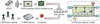 |
Fig. 1 Information perception process based on LSTM network. |
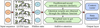 |
Fig. 2 Operation process of LSTM-AA intelligent perception model. |
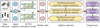 |
Fig. 3 LSTM-AA-based port logistics information perception model architecture. |
3.2 Construction of collaborative optimization model based on intelligent perception
The study integrates RFID and UWB technologies and constructs the LSTM-AA intelligent perception recognition model to achieve state perception of port logistics entities. To further transform real-time perception data into decision-making capability, the study constructs a collaborative strategy optimization model for port logistics, which comprehensively improves the overall efficiency of the port logistics system through intelligent decision-making methods. Ant Colony Optimization (ACO), as a metaheuristic algorithm, searches for optimal paths by simulating pheromone communication and positive feedback among ants, showing unique advantages in complex path planning and resource scheduling problems [19]. Therefore, the study introduces ACO to solve the problem of collaborative optimization in port logistics information. The overall process of the ACO-based port logistics collaborative optimization strategy model is shown in Figure 4.
As shown in Figure 4, the ACO-based model first transforms the real-time data acquired by the perception layer and the optimization objectives into a path planning graph. ACO searches for the optimal solution in the graph by simulating the behavior of ants. During the search process, each ant selects feasible paths based on pheromone concentration and heuristic factors, evaluates different paths, and continuously updates pheromone concentrations to improve paths. Pheromone update is a core step in ACO, including pheromone evaporation and addition. Evaporation reflects the natural decay of pheromone over time, while addition represents the pheromone released by ants when good solutions are found [20]. The pheromone evaporation equation is shown in equation (11).
 (11)
(11)
In equation (11), τpq represents the pheromone amount on edge (p,q), and ρ denotes the pheromone evaporation rate. The pheromone addition equation is shown in equation (12).
 (12)
(12)
In equation (12), m represents the number of ants, and  denotes the pheromone released by the k th ant on edge (p,q). When choosing the next path, ants determine the path based on pheromone concentration and heuristic factor between the current node and candidate nodes. The path selection probability is expressed in equation (13).
 (13)
(13)
In equation (13),  denotes the probability of the k th ant moving from city p to city q,
  represents the heuristic factor, α and β represent the parameters for the importance of pheromone and heuristic factor, and Sk denotes the set of cities available to the k th ant. However, ACO tends to converge prematurely during iterations, falling into local optima. It also suffers from slow convergence and search stagnation. To address these issues, the study introduces Tabu Search (TS) to enhance the global search capability of ACO using its memory mechanism. Its core mechanism lies in utilizing the historical access frequency of paths recorded in the tabu table to construct a negative pheromone adjustment term. This adjustment term implies that the higher the access frequency of a path, the greater the negative value assigned to it. Ultimately, this adjustment term is incorporated into the calculation of path selection probabilities, thereby forming a path selection strategy based on tabu search. The optimization process of the improved TS-ACO algorithm is shown in Figure 5.
As shown in Figure 5, the improved ACO algorithm first initializes parameters such as pheromone evaporation coefficient, heuristic function weights, and population size. It then allocates pheromone concentrations according to the distance between port operation nodes and the total number of nodes. All artificial ants are placed at the initial port operation center, and the TS mechanism is used to select the next node, gradually generating a collaborative scheduling path that satisfies constraints. The improved path selection strategy is shown in equation (14).
 (14)
(14)
In equation (14),  represents the negative pheromone adjustment term constructed based on the tabu search mechanism, and its magnitude is related to the historical access frequency of a path in the tabu list. When a path is visited frequently, the corresponding negative pheromone value gradually increases, thereby reducing the probability of selecting that path in subsequent iterations and preventing the ant colony from excessively concentrating on local region searches. allowk denotes the set of nodes currently allowed to be visited by the k th ant, which is used to restrict repetitive path exploration and enhance the global exploration capability of the algorithm. To ensure search stability, the tabu-list length is dynamically determined according to the scale of port operation nodes and is generally set to 10%–15% of the total number of nodes. The improved pheromone equation is shown in equation (15).
 (15)
(15)
In equation (15),  represents the pheromone increment corresponding to the optimal path in the current iteration, which is used to strengthen the search tendency toward high-quality paths, while
  represents the pheromone suppression term corresponding to the worst path, which is used to reduce the probability of repeatedly selecting low-quality paths. By simultaneously reinforcing high-quality paths and suppressing poor-quality paths, the algorithm maintains a balance between global exploration capability and local exploitation capability, thereby improving convergence stability and optimization efficiency in complex port logistics scenarios. In addition, to avoid search stagnation caused by excessively rapid pheromone updates, the search process is controlled by combining the pheromone evaporation mechanism with the maximum iteration number. During each iteration, the improved ant colony optimization algorithm further applies the 2-opt method to locally optimize the current optimal path. By exchanging the node sequence, the path cost is continuously reduced until the convergence condition is satisfied. In summary, the study first constructs an LSTM-AA intelligent perception model based on IoT multi-source perception. It then forms a port logistics decision optimization framework based on the TS-ACO algorithm. The overall workflow of the proposed LSTM-AA-TS-ACO model for port logistics information perception and strategy optimization is shown in Figure 6.
As shown in Figure 6, the LSTM-AA-TS-ACO model first collects real-time logistics information through Internet of Things devices integrating RFID and UWB technologies. The collected temporal data are used as the input of the LSTM-AA model to extract key features such as port operation behaviors, resource locations, and equipment loads. Among them, the context vector output by the LSTM-AA perception module can characterize the dynamic state information of the current port logistics system, including node congestion levels, task load variations, and equipment operating conditions. Subsequently, the above state information is further mapped into the path heuristic factors and task priority parameters of the TS-ACO decision module, thereby dynamically affecting path selection probabilities and resource scheduling constraints. For example, when the perception module identifies equipment congestion or task accumulation in a local area, the heuristic weight of the corresponding path will be dynamically reduced to decrease the probability of repeated scheduling in high-load regions and improve the overall scheduling efficiency of the system. Subsequently, the perception data are input into the TS-enhanced ACO collaborative optimization algorithm to achieve global optimization of transportation routes and resource scheduling strategies through iterative optimization. The TS mechanism utilizes tabu lists and a negative pheromone adjustment strategy to suppress repetitive path exploration, thereby reducing the risk of the algorithm falling into local optima and improving search stability under complex dynamic scenarios. It should be noted that this study mainly adopts a one-way collaborative mechanism in which the perception module drives the decision module. That is, the decision results do not further reversely adjust the attention weights in the LSTM-AA model; instead, the scheduling strategy is continuously updated based on real-time perception results. Finally, the system outputs optimal scheduling instructions to the port operation terminal and continuously monitors the states of port entities to realize dynamic strategy adjustment.
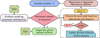 |
Fig. 4 ACO-based port logistics collaborative optimization strategy. |
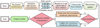 |
Fig. 5 TS-ACO algorithm optimization process. |
 |
Fig. 6 Workflow of LSTM-AA-TS-ACO model. |
4 Validation of LSTM-AA-TS-ACO model effectiveness
4.1 Validation of LSTM-AA information perception algorithm
To verify the effectiveness of the proposed LSTM-AA algorithm, the study conducted experiments to test both models. To ensure the scientific validity of the experiments, the same computer with high-performance hardware and software configurations was used to test the algorithms. The specific experimental environment configuration is shown in Table 1.
As shown in Table 1, high-performance hardware and a stable operating system were selected to ensure smooth experimental execution and provide solid support for algorithm testing. The data used in this study were obtained from the actual operational records of a large container port enterprise from January to June 2024. The port mainly undertakes container loading, unloading, and yard transportation operations, and the port area includes multiple types of logistics equipment, such as quay cranes, yard cranes, automated guided vehicles, and container trucks, involving approximately 120 operational nodes. RFID and UWB devices were used for logistics entity identification and real-time position acquisition, respectively. The sampling frequency of the RFID system was set to 1 Hz, while the sampling frequency of the UWB positioning data was set to 5 Hz to satisfy the real-time state perception requirements of dynamic port operation scenarios. The experimental dataset contained approximately 126,000 valid temporal samples, covering multiple typical port operation states, including normal equipment operation, local congestion, task accumulation, equipment abnormalities, and high-load scheduling conditions. Among them, normal operation samples accounted for approximately 42.3%, local congestion samples accounted for 21.7%, task accumulation samples accounted for 18.5%, and equipment abnormality and high-load condition samples together accounted for 17.5%. To ensure the rationality of model training and testing, the dataset was divided into training, validation, and test sets according to a ratio of 7:2:1. In the experiments, the time-series length of the LSTM network was set to 30, the number of hidden-layer units was set to 128, the batch size was set to 64, the learning rate was set to 0.001, and the maximum number of training iterations was set to 300. The additive attention layer adopted a single-head attention structure to reduce model complexity and enhance the extraction capability of key temporal features. In the tabu search improved ant colony optimization algorithm, the number of ants was set to 50, the pheromone evaporation coefficient was set to 0.5, and the pheromone importance factor and heuristic function importance factor were set to 1 and 2, respectively. The maximum number of iterations was set to 300. The tabu-list length was set to 10%–15% of the total number of nodes to restrict repeated visits to the same path within a short period. After each iteration, the 2-opt method was applied to locally optimize the current optimal path, thereby further reducing path cost and improving convergence stability.
The study first conducted ablation experiments to test the Root Mean Square Error (RMSE) and Mean Absolute Error (MAE) of the LSTM-AA model in information perception tasks. The comparison algorithms are Proximal Policy Optimization (PPO), Deep Q-Network (DQN), and the Transformer. Among the comparison method, the Transformer was selected as a representative sequence modeling method to verify the capability of the proposed model in extracting long-term temporal features. Although PPO and DQN are reinforcement learning algorithms, both possess dynamic state modeling capabilities. Therefore, they were introduced as comparative methods for dynamic temporal perception to analyze the differences in perception performance of different state modeling mechanisms under complex temporal scenarios in port logistics, rather than as completely equivalent substitutes for traditional supervised perception models. The results are shown in Figure 7.
As shown in Figure 7, the RMSE and MAE values of all four algorithms gradually decreased and eventually converged as the number of iterations increased, indicating that all models were capable of learning state variation features from port logistics temporal data. Figure 7a shows that the RMSE of the DQN algorithm stabilized at approximately 3.52 m after 200 iterations, and its error range approached 1–2 times the width of a standard container slot in ports (typically about 2.4–2.5 m). This indicates that value-function-based dynamic state modeling still has certain limitations in capturing critical temporal features in complex port scenarios. In contrast, the RMSE of the LSTM-AA model decreased to 2.63 m after 80 iterations and finally reached 1.84 m. Considering that the typical dimensions of a standard container slot in ports are approximately 6.0–12.2 m in length and 2.4–2.5 m in width, the achieved RMSE of 1.84 m is smaller than the width of a single container slot, indicating that the proposed model can achieve slot-level positioning accuracy. This result demonstrates that the introduction of the additive attention mechanism enabled the model to focus more effectively on key logistics events and state variations, thereby improving position prediction accuracy and convergence stability. As shown in Figure 7b, the MAE of the LSTM-AA model was further reduced to 1.21 m, indicating that the proposed model possessed stronger error control capability and temporal feature representation ability in complex dynamic environments. Subsequently, the study further tested the performance of the LSTM-AA algorithm by analyzing the coefficient of determination (R2) and F1 score during training. The results are shown in Figure 8.
As shown in Figure 8a, the R2 values of all four algorithms gradually increased and eventually converged as the number of iterations increased. Among them, the DQN and PPO models stabilized at 0.941 and 0.952 after 200 iterations, respectively, indicating that reinforcement learning methods were capable of learning port logistics state variation patterns to a certain extent. However, their ability to represent long-term temporal dependencies and critical state features remained limited. In contrast, the LSTM-AA model achieved an R2 value of 0.972, demonstrating that the introduction of the additive attention mechanism enabled the model to more effectively strengthen key temporal features, thereby improving temporal fitting capability and state prediction accuracy. Further analysis revealed that the LSTM-AA model was able to focus more effectively on key events in dynamic port scenarios, such as equipment congestion, task accumulation, and concentrated vessel arrivals. By assigning higher weights to these critical state features, the model enhanced its sensitivity to complex temporal variations, thereby improving state recognition accuracy and convergence stability. Figure 8b shows that the F1 score of the PPO model stabilized at 0.82 after 200 iterations, while the Transformer model reached 0.914. In comparison, the LSTM-AA model ultimately achieved an F1 score of 0.955, indicating that it could more accurately distinguish different logistics states under complex dynamic port scenarios. This advantage mainly originated from the enhancement effect of the attention mechanism on key event features and the stable temporal modeling capability of the LSTM network for continuous temporal variations. Therefore, the proposed LSTM-AA information perception algorithm demonstrated superior convergence stability and overall perception performance.
Experimental environment configuration.
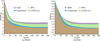 |
Fig. 7 Comparison of RMSE and MAE results for different perception algorithms. |
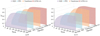 |
Fig. 8 Statistical chart of R2 and F1 score results for different perception algorithms. |
4.2 Application validation of port logistics information perception and collaborative optimization strategy model
After validating the effectiveness of the LSTM-AA intelligent perception algorithm, the study further conducted experiments to test the LSTM-AA-TS-ACO model for port logistics information perception and strategy optimization. Rule Based System (RBS), Convolutional Neural Network-LSTM-Ant Colony Optimization (CNN-LSTM-ACO), and Long Short Term Memory-Additive Attention-Genetic Algorithm (LSTM-AA-GA) systems were selected as comparison models. The performance of LSTM-AA-TS-ACO was first tested on the port container truck routing problem, with evaluation metrics including Best Solution Cost (BSC) and Gap to Known Optimum (GKO). BSC represents the minimum value of the objective function achieved by the algorithm across multiple independent runs, serving to evaluate the model's ability to find high-quality solutions. GKO is used to measure the relative deviation between the algorithm solution and the known optimal solution of the benchmark instance. A smaller GKO value indicates that the algorithm result is closer to the known optimal solution. When the obtained solution is completely consistent with the optimal solution, the GKO value is 0. As the path cost deviates further from the optimal solution, the GKO value gradually increases. Therefore, this metric can more intuitively reflect the global optimization capability and solution quality of different optimization algorithms. The BSC and GKO experimental results for the four systems are shown in Figure 9.
Figure 9 presents the variations of BSC and GKO for different systems during the path optimization process. As shown in Figure 9a, the LSTM-AA-TS-ACO model maintained a relatively fast optimization speed throughout the entire iteration process. When the number of iterations reached 150, its BSC had already decreased to 308.74 km, while the BSC values of RBS and CNN-LSTM-ACO remained at 325.31 km and 318.68 km, respectively. As the iterations continued, the BSC of LSTM-AA-TS-ACO was further reduced to 303.28 km. Compared with traditional rule-based scheduling and conventional intelligent optimization methods, the proposed model converged more rapidly toward lower-cost paths, indicating that the real-time state information provided by the perception layer contributed to more effective path searching. Meanwhile, the traditional ACO algorithm tended to repeatedly explore local low-cost paths during the middle and later stages of iteration, resulting in gradually reduced path update amplitudes and convergence stagnation. Figure 9b further shows that LSTM-AA-TS-ACO also exhibited a clear advantage in terms of the GKO metric. When all systems reached the maximum number of iterations, the GKO of LSTM-AA-TS-ACO was only 1.07%, which was significantly lower than that of the other systems. This advantage mainly resulted from the introduction of the tabu search mechanism, which utilized tabu lists to record high-frequency visited paths and dynamically reduced the selection probability of repetitive paths through the negative pheromone adjustment strategy. As a result, the exploration capability of unexplored regions was enhanced, thereby reducing the tendency of the traditional ant colony optimization algorithm to fall into local optima in complex dynamic port scenarios. Therefore, LSTM-AA-TS-ACO not only achieved faster convergence speed but also produced more stable and higher-quality path optimization results. Subsequently, the study conducted statistical analysis of the average vessel time in port, which is a key indicator of port efficiency; shorter times indicated higher scheduling and operation efficiency. A parameterized port operation model was built on a simulation platform. Under dynamic port conditions, all four perception and decision systems were tested to evaluate average vessel time under low, medium, and high load conditions. The experimental results are shown in Figure 10.
As shown in Figure 10a, under low-load conditions, the LSTM-AA-TS-ACO model reduced the average vessel turnaround time to 13.87 h, while the RBS system reached 17.85 h. Although all systems were capable of completing basic scheduling tasks under low-load conditions, the traditional rule-based scheduling method responded slowly to dynamic operational states, which easily led to equipment waiting and uneven path utilization. In contrast, LSTM-AA-TS-ACO dynamically adjusted scheduling strategies based on real-time state information obtained from the perception layer, thereby reducing vessel waiting time. Figure 10b shows that under medium-load conditions, the RBS system exhibited obvious queuing delays, whereas LSTM-AA-TS-ACO maintained the average vessel turnaround time at only 29.82 h across all three experiments. This indicates that the introduction of the attention mechanism enabled the model to more effectively identify key operational events and congestion states, thereby optimizing resource allocation and transportation paths in a timely manner and improving scheduling stability under dynamic load variations. As shown in Figure 10c, under high-load conditions close to port saturation, the average vessel turnaround times of RBS, CNN-LSTM-ACO, and LSTM-AA-GA reached 113.99 h, 95.91 h, and 82.24 h, respectively, while LSTM-AA-TS-ACO further reduced the turnaround time to 70.32 h. This result demonstrates that the tabu-search-enhanced ant colony optimization algorithm effectively expanded the search space and reduced the local optimum problem, thereby maintaining superior global scheduling capability and resource coordination efficiency even under complex high-load scenarios. Subsequently, to evaluate the system's resilience under extreme conditions, the study simulated two typical abnormal scenarios: an 8-hour failure of a single critical quay crane and a 6-hour disruption of all terminal operations. The comparative results of the robustness metrics for the different systems under these two abnormal conditions are presented in Table 2.
As shown in Table 2, the performance of all systems declined to different degrees under abnormal conditions, including quay crane failure and operational interruption. However, LSTM-AA-TS-ACO exhibited stronger robustness and recovery capability. Under the quay crane failure condition, the proposed model increased vessel turnaround time by only 11.17 h and recovered normal operation within 5.35 h. Under the operational interruption condition, its performance degradation was limited to 6.93 h, with a recovery time of only 4.12 h. In contrast, the performance degradation of the RBS system reached 43.85 h after the abnormal event occurred, and the system failed to recover to a stable state within the simulation period. This indicates that traditional rule-based scheduling methods lack dynamic response capability to unexpected events. Although CNN-LSTM-ACO and LSTM-AA-GA possessed certain intelligent optimization capabilities, they were still susceptible to local congestion and repetitive path exploration under abnormal conditions, which limited their recovery efficiency. In comparison, LSTM-AA-TS-ACO dynamically adjusted scheduling strategies based on real-time perception results and utilized the tabu search mechanism to expand the path search space, thereby maintaining better resource coordination capability and scheduling stability under complex abnormal scenarios. The experimental results demonstrate that the proposed system not only maintained high-load operational efficiency but also exhibited superior dynamic response and rapid recovery capability. Next, the study analyzed equipment utilization and schedule fulfillment rates under different systems. To ensure the statistical reliability of the experimental results, all experiments were independently repeated 10 times under the same environment, and the final results were reported in the form of “mean ± standard deviation”. One-way analysis of variance (One-way ANOVA) was used to evaluate the significance of performance differences among different models, while independent-sample t-tests were further conducted for pairwise comparisons of key metrics. Differences were considered statistically significant when p <0.05, and highly statistically significant when p <0.01. The results are shown in Figure 11.
As shown in Figure 11a, the equipment utilization rates of all systems increased with the load level, but significant differences still existed among different methods. The equipment utilization rate of the traditional RBS system reached only 75.22% under high-load conditions, indicating that the fixed-rule scheduling strategy was unable to dynamically coordinate resources according to real-time operational states, which easily caused equipment waiting and uneven task allocation. The CNN-LSTM-ACO system improved equipment utilization efficiency by introducing intelligent perception and optimization mechanisms, but local resource congestion still occurred under high-load conditions. In contrast, the LSTM-AA-TS-ACO system achieved equipment utilization rates of 72.86%, 84.51%, and 88.90% under low-, medium-, and high-load conditions, respectively, demonstrating that the collaborative linkage between the perception layer and the optimization layer could more effectively improve global resource coordination capability. Figure 11b further shows that the LSTM-AA-TS-ACO system maintained the highest scheduling completion rates under different load conditions, reaching 92.41%, 89.60%, and 85.74% under low-, medium-, and high-load conditions, respectively. Although the scheduling completion rates of all systems decreased as the load increased, the decline of LSTM-AA-TS-ACO was relatively smaller. This indicates that the introduction of the additive attention mechanism enabled the model to more accurately identify critical operational states, while the tabu-search-enhanced ant colony optimization algorithm further improved task allocation and path coordination capability in complex dynamic scenarios. The significance test results confirmed that the above differences were statistically significant. Finally, the study tested the comprehensive performance of different systems. Decision latency refers to the average time required for a system to generate a final scheduling plan from receiving input data. System throughput indicates the number of tasks a system can successfully process per minute. CPU utilization and memory usage reflect computational resource consumption during algorithm execution. One-time running energy consumption denotes the total energy expended when the system completes one full scheduling decision task. The anomaly times indicates the average frequency of scheduling failures or resource conflicts occurring during 24 h of continuous system operation. All experiments were independently repeated 10 times, and the results were reported in the form of mean ± standard deviation. One-way analysis of variance and independent-sample t-tests were adopted for significance analysis. The statistical results are shown in Table 3.
As shown in Table 3, the traditional RBS system exhibited certain advantages in decision latency, CPU utilization, and energy consumption, indicating that fixed-rule scheduling methods could complete basic task processing with relatively low computational overhead. However, the system lacked dynamic optimization capability and showed limited performance in terms of system throughput and scheduling stability under complex scenarios, making it difficult to satisfy the real-time collaborative decision-making requirements of intelligent ports. In contrast, although the three intelligent systems required higher resource consumption and training time, they significantly improved logistics scheduling efficiency and task processing capability. Among them, the decision latency of LSTM-AA-TS-ACO was only 3.50 s, while the system throughput reached 30.38 tasks/min, both outperforming the other intelligent systems. This indicates that the collaborative linkage between the perception layer and the optimization layer was capable of maintaining high real-time response capability while ensuring global scheduling quality. In terms of system stability, although the intelligent models exhibited more abnormal events than the RBS system, LSTM-AA-TS-ACO generated only 1.24 abnormal events within 24 h, which was lower than those of CNN-LSTM-ACO and LSTM-AA-GA. This demonstrates that the tabu search mechanism effectively reduced repetitive path exploration and local congestion problems in complex dynamic scenarios, thereby improving system operational stability. Overall, LSTM-AA-TS-ACO achieved a better balance among computational overhead, scheduling efficiency, and system stability, making it more suitable for practical port logistics scheduling scenarios.
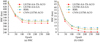 |
Fig. 9 Comparison of BSC and GKO for different systems. |
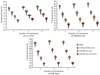 |
Fig. 10 Comparison of average vessel time in port under different loads. |
Comparison of robustness metrics for different systems under abnormal operating conditions.
 |
Fig. 11 Comparison of equipment utilization and schedule fulfillment. |
Comparison of comprehensive performance indicators for different systems.
5 Conclusion
This study constructed an intelligent decision-making model integrating information perception and collaborative optimization to address the problems of insufficient multi-source information fusion, inaccurate real-time state perception, and the tendency of dynamic scheduling to fall into local optima in port logistics. The proposed model utilizes radio frequency identification technology and ultra-wideband positioning technology to obtain the status and location information of logistics entities, while introducing an additive attention mechanism to enhance the capability of the long short-term memory network in extracting key temporal features. In addition, a tabu search mechanism was incorporated into the ant colony optimization algorithm to improve the global optimization ability of path planning and resource scheduling. The experimental results demonstrate that the proposed method effectively improves the accuracy of port logistics state perception, path optimization quality, and scheduling stability, particularly under high-load and abnormal operating conditions. This indicates that the collaborative linkage between the perception layer and the decision-making layer helps transform real-time data into executable scheduling strategies, thereby providing technical support for the construction of intelligent port logistics systems. However, several limitations still exist in this study. First, the experimental data were mainly collected from a single port scenario, and the generalization capability of the model under different port scales, operation modes, and complex environments still requires further verification. Second, the combined structure of the long short-term memory network and the improved ant colony optimization algorithm introduces relatively high computational complexity, which imposes certain pressure on real-time deployment in edge devices. Future research will incorporate model pruning and quantization techniques to compress the model parameter scale by approximately 30%-50%, with the goals of reducing inference energy consumption by more than 20% and shortening real-time response latency, thereby improving deployment efficiency on port edge devices. Meanwhile, cross-scenario validation will be conducted in different types of ports, including container ports, bulk cargo ports, and inland river ports, to further evaluate the adaptability and stability of the proposed model under different operation intensities, equipment configurations, and logistics organization modes.
Funding
None.
Conflicts of interest
All authors declare that they have no conflicts of interest.
Data availability statement
The datasets generated during and/or analyzed during the current study are available from the corresponding author on reasonable request.
Author contribution statement
The sole author of this manuscript is responsible for the entire research process.
References
- M. Gonçalves, L. Teixeira, Decision support system for port terminals: design and development of a business intelligence tool, Procedia Comput. Sci. 253, 2438–2447 (2025) [Google Scholar]
- R.G. Pereira, R.B. Lopes, L. Teixeira, Simulation to predict the behavior of a new seaport gate: an application in the Sines container terminal, Procedia Comput. Sci. 253, 2409–2418 (2025) [Google Scholar]
- P.P. Groumpos, A critical historic overview of artificial intelligence: issues, challenges, opportunities, and threats, Artifi. Intell. Appl. 1, 197–213 (2023) [Google Scholar]
- H. Yang, M. Zhao, L. Yuan, Y. Yu, Z. Li, M. Gu, Memory-efficient transformer-based network model for traveling salesman problem, Neural Netw. 161, 589–597 (2023) [Google Scholar]
- B. Kannadasan, K. Yogeswari, ASCDNet: development of adaptive serial cascaded deep network and improved heuristic algorithm for smart transportation planning and traffic flow prediction, J. Ambient Intell. Humaniz. Comput. 16, 405–424 (2025) [Google Scholar]
- L. Zhang, X. Zhang, M. Liu, Lightweight convolutional neural network for fast visual perception of storage location status in stereo warehouse, J. Intell. Manuf. 36, 3143–3163 (2025) [Google Scholar]
- W. Wang, D. Shen, A. Bao, J. Shao, S. Sun, Intelligent factory perception ability using distributed knowledge graph, Int. J. Data Sci. 9, 203–221 (2024) [Google Scholar]
- P. Qu, Design of supply chain logistics intelligent management information system based on GIS optimization model, Procedia Comput. Sci. 243, 396–405 (2024) [Google Scholar]
- D. Zhang, Z. Jia, E-commerce logistics software package tracking and route planning and optimization system of embedded technology based on the intelligent er, IET Comput. Digit. Tech. 2024, 17–25 (2024) [Google Scholar]
- L. Cai, Y. Yan, Z. Tang, A. Liu, Collaborative distribution optimization model and algorithm for an intelligent supply chain based on green computing energy management, Computing, 106, 2521–2539 (2024) [Google Scholar]
- X. Peng, Smart library RFID security algorithm based on intelligent perception system, Procedia Comput. Sci. 247, 841–848 (2024) [Google Scholar]
- H. Knapp, G. Romagnoli, RFID systems optimization through the use of a new RFID network planning algorithm to support the design of receiving gates, J. Intell. Manuf. 34, 1389–1407 (2023) [Google Scholar]
- A. Shen, Design of internet of things service system for logistics engineering by using the blockchain technology, Int. J. Grid Util. Comput. 14, (2023). https://doi.org/182-190.10.1504/ijguc.2023.10056290 [Google Scholar]
- S. Pan, J. Cheng, Cross-border E-commerce logistics optimization algorithm for collaboration between the internet of things and logistics, Scalable Comput.: Pract. Exp. 25, 2558–2566 (2024) [Google Scholar]
- S. Liu, Application of the multi-objective model under the fuzzy differential equation to logistics operation of internet of things, Int. J. Grid Util. Comput. 14, 205–215 (2023) [Google Scholar]
- S. Sarvade, V. Shirwal, P. Kugaonkar, K. Mudgonda, Optimizing railway signaling and platform management with LoRaWAN, RFID and automation technologies, Procedia Comput. Sci. 252, 557–566 (2025) [Google Scholar]
- S.D. Sairam, D.S. Kumar, Fusion neural networks for high precision design and ultra-wideband shielding in frequency selective surfaces, IEEE Trans. Compon. Packag. Manuf. Technol. 15, 810–820 (2024) [Google Scholar]
- N.T. Thong, N.V. Quyet, C.N. Giap, N.L. Giang, L.T.H. Lan, A complex fuzzy LSTM network for temporal-related forecasting problems, Comput. Mater. Continua, 80, 4173–4196 (2024) [Google Scholar]
- H.M. Fadhil, Optimizing task scheduling and resource allocation in computing environments using metaheuristic methods, Fusion: Pract. Appl. 15, 157–179 (2024) [Google Scholar]
- C. Yin, Q. Fang, H. Li, Y. Peng, X. Xu, D. Tang, An optimized resource scheduling algorithm based on GA and ACO algorithm in fog computing, J. Supercomput 80, 4248–4285 (2024) [Google Scholar]
Cite this article as: Xiaowei Mao, Intelligent perception and collaborative optimization decision of port logistics information based on RFID and IoT integration, Int. J. Metrol. Qual. Eng. 17, 15 (2026), https://doi.org/10.1051/ijmqe/2026011
All Tables
Comparison of robustness metrics for different systems under abnormal operating conditions.
All Figures
|
Fig. 1 Information perception process based on LSTM network. |
| In the text | |
|
Fig. 2 Operation process of LSTM-AA intelligent perception model. |
| In the text | |
|
Fig. 3 LSTM-AA-based port logistics information perception model architecture. |
| In the text | |
|
Fig. 4 ACO-based port logistics collaborative optimization strategy. |
| In the text | |
|
Fig. 5 TS-ACO algorithm optimization process. |
| In the text | |
|
Fig. 6 Workflow of LSTM-AA-TS-ACO model. |
| In the text | |
|
Fig. 7 Comparison of RMSE and MAE results for different perception algorithms. |
| In the text | |
|
Fig. 8 Statistical chart of R2 and F1 score results for different perception algorithms. |
| In the text | |
|
Fig. 9 Comparison of BSC and GKO for different systems. |
| In the text | |
|
Fig. 10 Comparison of average vessel time in port under different loads. |
| In the text | |
|
Fig. 11 Comparison of equipment utilization and schedule fulfillment. |
| In the text | |
Current usage metrics show cumulative count of Article Views (full-text article views including HTML views, PDF and ePub downloads, according to the available data) and Abstracts Views on Vision4Press platform.
Data correspond to usage on the plateform after 2015. The current usage metrics is available 48-96 hours after online publication and is updated daily on week days.
Initial download of the metrics may take a while.